
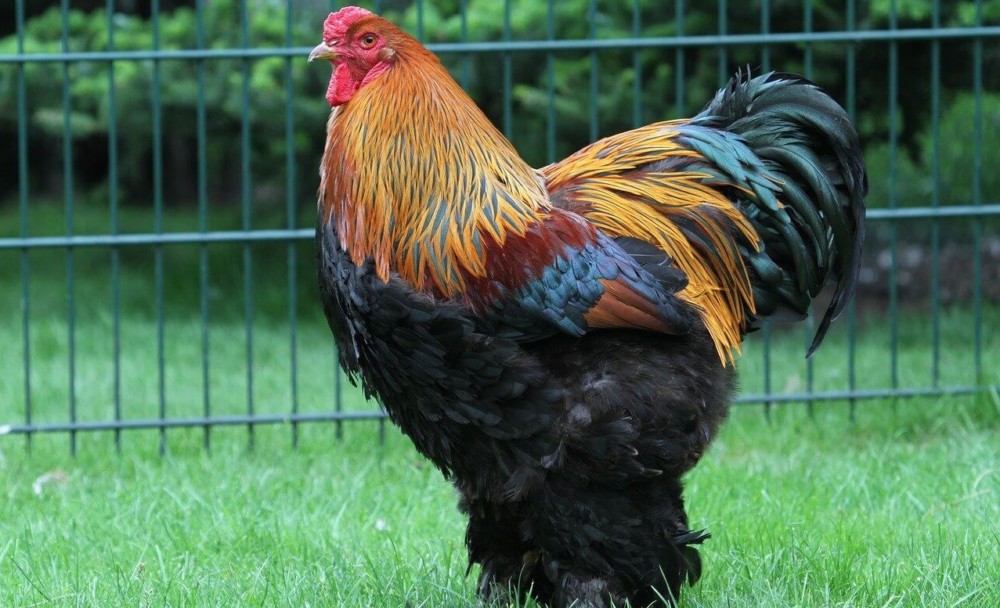
Brahma chickens, a magnificent heritage chicken breed, are a great addition to any backyard farm. They are known for their impressive size, friendly temperament, and excellent egg-laying capabilities. However, raising Brahma chickens requires proper care and attention to ensure their health and well-being.
In this section, we will provide essential tips and care information for raising Brahma chickens. We will cover everything from creating the perfect environment for your chickens to feed and nutrition, egg production, and managing their health. By following these care essentials, you canensure your Brahma chickens thrive in your care.
Key Takeaways:
- Raising Brahma chickens requires proper care and attention.
- Creating an ideal living environment is essential for their well-being and happiness.
- Brahma chickens have specific dietary needs that require a balanced and nutritious diet.
- Proper handling techniques are important to ensure their safety and minimize stress.
- Brahma chickens are known for their stunning and diverse color variations.

Understanding Brahma Chicken Breeds
Brahma chickens are a popular and stunning heritage breed known for their large size and remarkable beauty. They also come in various breeds, each with its own unique set of characteristics and features. In this section, we’ll provide an overview of the different types of Brahma chicken breeds and explore their distinct qualities.
The Light Brahma
One of the most popular breeds within the Brahma family is the Light Brahma. These chickens are known for their attractive, white plumage, feathered shanks, and feathery feet. They have a calm temperament and are not as large as some other types of Brahmas, making them an excellent choice for backyard enthusiasts.
The Dark Brahma
The Dark Brahma is a beautiful breed that boasts an impressive size and distinctive markings. These chickens have black and white feathers, feathered shanks, and a small comb on their head. They are gentle and make great family pets but can be susceptible to cold weather due to their size.
The Buff Brahma
Buff Brahmas are a stunning and friendly breed with a sweet disposition. They have a light brown or buff color with black tails and are known for their feathered shanks and feet, giving them a unique appearance. These chickens are also great foragers and do not mind being handled by their caretakers.
The Partridge Brahma
The Partridge Brahma is a beautiful breed with a highly sought-after color pattern. These chickens have a reddish-brown color with black feathers, complemented by a small comb and a yellow beak. They are gentle and make great pets, but they do require additional care to maintain their beautiful feathering.
The Brahmaputra
The Brahmaputra is a rare Brahma breed that originates from India. They are known for their immense size and beautiful, light gray feathers. These chickens are typically bred for meat production and require proper care and handling due to their size.
Now that we have discussed some of the most popular Brahma chicken breeds let’s take a closer look at their unique characteristics and features.
Creating the Perfect Environment for Brahma Chickens
Proper Brahma chicken care involves creating an environment that is conducive to their well-being and happiness. The temperament of Brahma chickens is greatly influenced by their living environment. A cramped and stressful environment can cause stress in your chickens, making them more sensitive and prone to illness. To ensure your Brahma chickens remain healthy and lively, here are some things to keep in mind:
- Space is essential: Brahma chickens are larger in size compared to other breeds, so they require more space to move around. Provide a minimum of four square feet of floor space per chicken, as overcrowding can lead to stress and aggression in your flock.
- Shelter: Your Brahma chickens need a safe and protected space to roost, sleep, and lay eggs. Ensure the coop is spacious enough to accommodate the entire flock, with enough nesting boxes for each hen. Keep the coop well-ventilated and dry to prevent respiratory illnesses.
- Lighting: A well-lit living environment is essential for the health of Brahma chickens. Ensure their coop has access to natural sunlight, or use appropriate artificial lighting to maintain their circadian rhythm.
- Cleanliness: A clean living environment is necessary to prevent diseases and illnesses in your flock. Regularly clean the coop and replace bedding as needed, ensuring the area around their feeders and waterers is free of droppings.
By following these tips, you can create a healthy and comfortable living environment for your Brahma chickens, ensuring their well-being, and happiness.

Feeding and Nutrition for Brahma Chickens
In order to ensure the health and vitality of your Brahma chickens, it is essential to provide them with a balanced and nutritious diet. Proper nutrition is crucial for the growth and development of your birds, as well as the quality of their eggs.
Dietary Needs of Brahma Chickens
Brahma chickens require a diet that is high in protein and energy to support their large size and active lifestyle. In addition to their regular feed, it is essential to provide Brahma chickens with access to fresh water at all times.
Their diet should consist of a mix of grains, pellets, and various types of insects. Brahma chickens adore treats such as mealworms, crickets, chopped fruits and vegetables, and even kitchen scraps, nonetheless, moderation is key.
Feeding Schedule for Brahma Chickens
It is best to feed your Brahma chickens twice a day, in the morning and early evening. You can adjust the amount of feed according to the chickens’ appetite. Always ensure that there is excess feed available, it should last them throughout the day without running out.
Providing Adequate Supplements
Brahma chickens need additional supplements in their diet to maintain their health. Supplements like grit, oyster shell, and trace minerals are essential for Brahma chicken care. Grit aids in digestion while oyster shell boosts calcium intake, and trace minerals help with overall health.
Important Tip:
It is crucial to avoid feeding your Brahma chickens any food that might be harmful to their overall health, such as avocado, chocolate, or salty and sugary foods. Moreover, allow them to graze on grass and forage regularly, which helps fulfill their nutritional needs and provide physical exercise.
Egg Production and Care
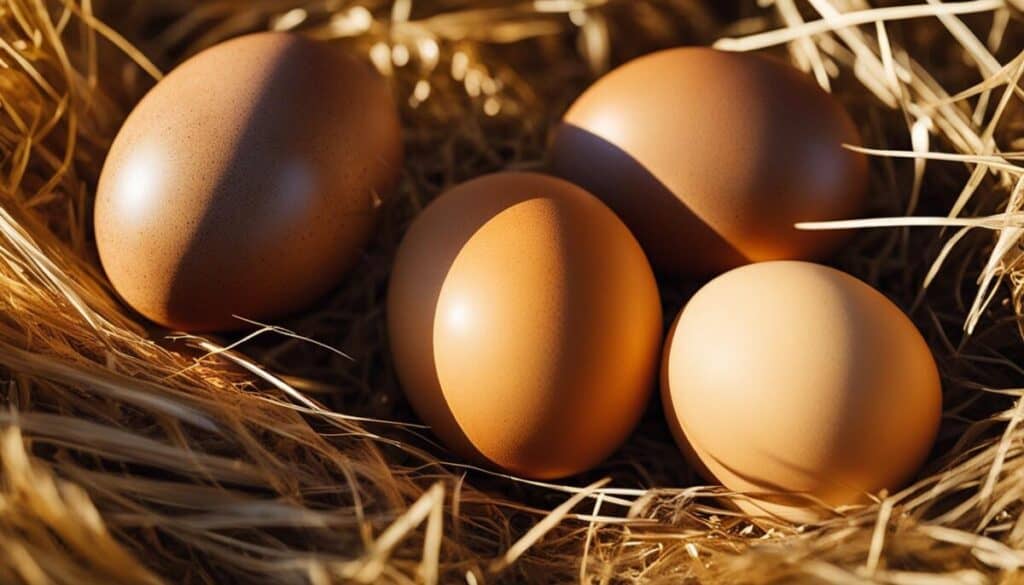
Brahma chickens are considered as one of the best dual-purpose birds as they are excellent at both producing meat and eggs. They start laying eggs at around 6 months of age and continue laying eggs for up to 3 years. Brahma chicken eggs are usually larger than the average egg size and have a pale brown color.
To ensure the health of the chickens and the quality of their eggs, it is important to provide them with a clean and comfortable environment. The coop should have nesting boxes lined with clean, soft bedding to encourage egg-laying. It is crucial to keep the nesting boxes secure and free from predators.
Additionally, Brahma chickens require a high-protein diet to maintain their egg production. A diet rich in protein includes grains, seeds, and vegetables. Supplementing their feed with oyster shells or crushed eggshells can also help improve the quality of their eggs.
Brahma Chicken Egg Characteristics
| Egg Characteristics | Details |
|---|---|
| Egg size | Brahma chicken eggs are usually larger than the average egg size. |
| Egg color | Brahma chicken eggs have a pale brown color. |
| Number of eggs produced | Brahma chickens can lay around 3-4 eggs per week. |
| Egg-laying age | Brahma chickens start laying eggs at around 6 months of age. |
Providing proper care for Brahma chicken eggs is important to ensure their safety and extend their shelf life. Eggs should be collected daily, as leaving them in the nesting boxes can cause them to break or become dirty. Clean soiled eggs with a mild soap and warm water solution and dry them completely before storing them in the refrigerator. Properly stored Brahma chicken eggs can last for up to a month.
Managing Brahma Chicken Health
Ensuring the health of your Brahma chickens must be a top priority to keep them happy and thriving. Regular check-ups with a veterinarian can help detect and prevent health issues. Common health problems include respiratory infections, mites, and lice. It is essential to keep the chicken coop clean and well-ventilated to prevent the spread of disease.
Feathers are incredibly important to a chicken’s health and well-being, so make sure to check that there are no injuries or abnormalities. If you notice any issues, isolate the affected bird as quickly as possible to avoid infecting other chickens in the coop.
Tip: If you are new to Brahma chicken care, research and learn about their potential health issues to stay informed and prepared.
Signs of Illness
Keep an eye out for any changes in your chickens’ behavior and appearance. Loss of appetite, lethargy, and abnormal droppings can all be signs of illness. It is crucial to quarantine any sick chickens to prevent the spread of infection to the rest of the flock.
Caring for Injured Chickens
Injuries can occur to any chicken breed, including Brahma chickens. Apply immediate medical attention to any injuries to reduce the risk of infection. Ensure that the injured chicken has a comfortable and isolated space to heal.
| Common Health Issues in Brahma Chickens | Symptoms | Treatments |
|---|---|---|
| Respiratory infections | Nasal discharge, labored breathing, coughing/sneezing | Antibiotics, isolate affected birds |
| Mites and lice | Anemia, weight loss, restlessness, decreased egg production | Dust baths with diatomaceous earth, regular coop cleaning, medication |
| Abnormal feather loss | Bald spots, abnormal feather growth, feather pecking, sores, bleeding | Treat underlying issue, protein-rich diet |
Ensuring your Brahma chickens remain healthy requires regular monitoring and preventative measures. Ensure that they receive excellent care, a nutritious diet, and plenty of fresh water, and follow the tips mentioned in this section for a happy and healthy flock.
Handling Brahma Chickens
Brahma chickens are known for their large size, so it’s important to handle them with care to ensure their safety and well-being. Here are some helpful tips for handling Brahma chickens:
Approach Slowly and Calmly
When approaching Brahma chickens, it’s best to do so slowly and calmly. Sudden movements or loud noises can startle them, causing unnecessary stress.
Lift with Both Hands
When picking up a Brahma chicken, make sure to lift it with both hands, supporting its weight evenly. Avoid grabbing them by their feet or wings as it can cause discomfort and injury.
Keep Them Close to Your Body
Brahma chickens are more comfortable when held close to your body, with their heads tucked under your arm. Make sure to keep them snug so they feel secure and protected.
Set Them Down Gently
When setting down a Brahma chicken, do so gently and carefully. Lower them to the ground slowly, supporting their weight until their feet touch the ground.
Remember, when handling Brahma chickens, always be gentle, patient, and attentive to their behavior. By following these tips, you’ll be able to handle your Brahma chickens with confidence and ease.

The Diverse Colors of Brahma Chickens
One of the delightful traits of Brahma chickens is their striking variety of colors. With several breeds to choose from, each one has a unique color pattern that sets it apart from the others. Some of the most popular Brahma chicken colors include:
| Breed | Color |
|---|---|
| Light Brahma | White feathers contrasted with black neck and tail feathers |
| Dark Brahma | Black feathers with subtle hints of white on their neck and tail feathers |
| Buff Brahma | A rich golden buff color that gives them a regal and majestic appearance |
| Blue Brahma | Shades of gray-blue feathers that can range from light to dark tones |
| Splash Brahma | A mix of white, black, and gray feathers that create a unique and striking appearance |
Brahma chickens are known for their docile and friendly temperament, making them perfect for backyard flocks. With their colorful feathers, they are not just a practical addition to your flock but also an attractive one.
Conclusion
Caring for Brahma chickens requires dedication, knowledge, and a love for these magnificent heritage chicken breeds. By understanding the various Brahma chicken breeds and their unique characteristics, creating an ideal living environment, providing a balanced and nutritious diet, and monitoring their health, you can raise happy and healthy Brahma chickens. Remember to handle them with care and appreciate their beautiful and diverse colors.
Whether you are an experienced poultry farmer or a beginner, raising Brahma chickens can be a rewarding experience. These feathered friends are not only excellent egg-layers but also great companions. As you embark on your journey of raising Brahma chickens, we hope our tips and care essentials have provided value and insights to ensure the well-being and happiness of your flock.
FAQ
What are Brahma chickens?
Brahma chickens are a heritage chicken breed known for their large size and beautiful feather patterns. They are friendly and docile in nature, making them ideal for backyard chicken enthusiasts.
What are the characteristics of Brahma chicken breeds?
Brahma chickens come in various breeds, each with its own set of characteristics. They typically have feathered legs, a pea comb, and a broad or cushioned body. They come in different colors, including light, dark, and buff.
How do I care for Brahma chickens?
To care for Brahma chickens, provide them with a spacious and secure coop, ample bedding, and appropriate ventilation. Provide them with a balanced diet, fresh water, and regular health check-ups. Ensure they have enough space to roam and exercise.
How big do Brahma chickens grow?
Brahma chickens are known for their impressive size. They can grow to be quite large, with roosters reaching an average weight of 10-12 pounds and hens reaching 8-10 pounds.
What colors are Brahma chickens available in?
Brahma chickens come in a variety of stunning colors. They can be found in light, dark, and buff varieties. Each color has its own unique feather patterns and characteristics.
Are Brahma chickens good egg layers?
Yes, Brahma chickens are known to be good egg layers. They typically lay large brown eggs and have a good egg production rate. Proper care, nutrition, and a comfortable environment are essential to ensure optimal egg-laying performance.
How do I handle Brahma chickens safely?
Due to their larger size, it’s important to handle Brahma chickens with care. Support their weight with both hands, avoid sudden movements or loud noises, and approach them calmly and gently. This will help ensure their safety and minimize stress.
What should I feed my Brahma chickens?
Brahma chickens have specific dietary needs. Feed them a balanced diet that includes a mix of grains, protein, and fresh fruits and vegetables. Provide them with access to clean water at all times. Avoid feeding them excessive treats or unhealthy foods.
How do I maintain the health of my Brahma chickens?
Regularly monitor the health of your Brahma chickens by observing their behavior, checking for any signs of illness or injury, and providing them with appropriate vaccinations and deworming treatments. Maintain a clean coop and practice good hygiene to prevent the spread of diseases.
Are Brahma chickens suitable for beginners?
Yes, Brahma chickens can be suitable for beginners in chicken keeping. They are generally a friendly breed, easy to handle, and require basic care. However, it’s important to educate yourself on their specific needs and provide them with a suitable environment to ensure their well-being.