

As a chicken owner, you always want to ensure that your feathered friends are happy and healthy. Providing a balanced diet is essential, and occasionally offering treats can be a great way to keep your chickens satisfied. One delicious treat that you may be wondering about is honeydew melon. Can chickens eat honeydew?
The good news is that honeydew is safe for chickens to eat and can be a nutritious addition to their diet. This juicy and flavorful melon is not only a tasty treat but also offers several health benefits for your flock. Let’s explore the nutritional advantages and potential risks of feeding honeydew to chickens.
Key Takeaways:
- Honeydew is safe for chickens to eat and can be a delicious treat for them.
- Feeding honeydew in moderation is important due to its sugar content.
- Honeydew provides chickens with essential vitamins, hydration, and nutrients for bone health.
- Chickens can safely eat honeydew seeds and skin, but caution is needed to prevent choking.
- Including honeydew in a chicken’s diet can help prevent dehydration, especially during hot weather.
Benefits of Honeydew for Chickens
Honeydew melons offer several health benefits to chickens. They are rich in vitamin C, which helps to neutralize free radicals and prevent various diseases. Vitamin C also supports the immune system and helps fight off infections.
Honeydew is a good source of fiber, promoting proper digestion in chickens and aiding in the breakdown of tough foods. Additionally, honeydew’s high water content and electrolytes help chickens stay hydrated, especially during hot weather. The fruit also provides essential nutrients like vitamin K and folate, which contribute to healthy bones in chickens.
Overall, including honeydew in a chicken’s diet can enhance their overall health and well-being.
| Nutrient | Amount per 100g |
|---|---|
| Vitamin C | 36.7mg |
| Fiber | 0.8g |
| Water | 90.2g |
| Vitamin K | 2.9µg |
| Folate | 18µg |
Potential Risks of Honeydew for Chickens
While honeydew is generally safe for chickens to eat, there are some potential risks to consider. The high sugar content in honeydew, although natural, can hinder calcium absorption in chickens, leading to health issues. Additionally, excessive sugar intake can cause weight gain and negatively impact egg production. It is important to feed honeydew in moderation to prevent these adverse effects. Furthermore, spoiled or rotten honeydew should not be fed to chickens, as it can contain harmful bacteria and lack nutritional value. Fresh honeydew is always the best option for chickens, providing them with essential minerals and nutrients without any potential risks.
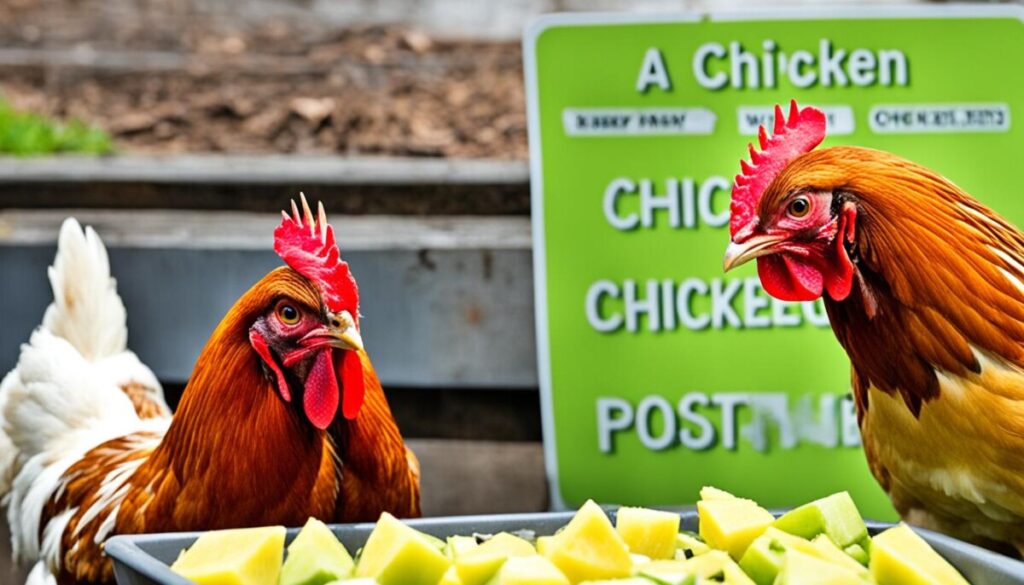
When it comes to feeding chickens honeydew, it’s crucial to strike the right balance. While the fruit offers numerous benefits, excessive consumption can lead to problems. The natural sugars in honeydew can interfere with calcium absorption, which is essential for strong bones in chickens. This can result in weakened skeletal health and susceptibility to fractures.
Excessive sugar intake can also lead to weight gain in chickens. This, in turn, can affect their overall well-being and may even impact their egg production. It is essential to remember that chickens require a balanced diet to maintain optimal health.
In addition to these risks, feeding spoiled or rotten honeydew to chickens should be avoided. Rotten fruit may contain harmful bacteria that can cause digestive issues and other health problems for chickens. It’s always best to provide fresh, high-quality honeydew to ensure that chickens receive the necessary minerals and nutrients they need.
By being mindful of these potential risks and feeding honeydew in moderation, chicken owners can make it a safe and enjoyable addition to their flock’s diet.
Can Chickens Eat Honeydew Seeds and Skin?
Chickens can safely enjoy both honeydew seeds and skin as part of their diet. Honeydew seeds are not harmful to chickens, but it’s important to feed them in moderation, especially to younger chicks, to prevent choking hazards. To make it easier for chickens to consume the seeds, you can crush them or mix them with water for a safer and more manageable texture.
“I’ve found that crushing the honeydew seeds before offering them to my chickens allows them to enjoy the benefits without any risk of choking,” says Lisa, an experienced chicken owner.
Honeydew skin is also safe and holds valuable nutrients for chickens. However, the relatively hard texture of the skin may pose a challenge for baby chicks with weaker beaks. To overcome this, you can cut the honeydew skin into small pieces or mash it into a pulp for easier consumption by the baby chicks. These alternative feeding methods ensure that all parts of the honeydew can be enjoyed by your feathered friends.
“When my chicks were too young to peck at honeydew skin, I would mash it up to create a pulp and offer it to them. This way, they received the nutritional benefits without any difficulty,” says Sarah, a dedicated poultry enthusiast.
| Can Chickens Eat Honeydew Seeds? | Can Chickens Eat Honeydew Skin? |
|---|---|
| Yes, honeydew seeds are safe for chickens to eat. | Yes, honeydew skin is safe for chickens to eat. |
| Feed them in moderation to prevent choking hazards, especially for younger chicks. | Consider cutting the skin into small pieces or mashing it for easier consumption by baby chicks. |
Chickens and Dehydration
Chickens are highly susceptible to dehydration, especially during hot weather. Ensuring proper hydration is crucial for their well-being and overall health. One effective way to prevent dehydration in chickens is by incorporating hydrating fruits into their diet, such as honeydew. The high water content of honeydew makes it an excellent choice to keep chickens refreshed and hydrated.

With approximately 90% water content, honeydew serves as a natural source of hydration for chickens. This delicious fruit not only quenches their thirst but also provides essential electrolytes like magnesium, calcium, and potassium, which contribute to maintaining optimal hydration levels.
Feeding honeydew to chickens during hot days not only helps prevent dehydration but also keeps them comfortable and healthy. The combination of water and electrolytes in honeydew assists in maintaining proper bodily functions and supports overall well-being in chickens.
The Benefits of Honeydew for Chicken Hydration
| Nutrient | Amount |
|---|---|
| Water | Approximately 90% |
| Magnesium | 16.8 mg |
| Calcium | 6.2 mg |
| Potassium | 285 mg |
“Including honeydew in a chicken’s diet during hot days helps prevent dehydration, as it provides the necessary fluids and electrolytes to keep them hydrated and healthy.”
When offering honeydew to chickens, ensure that it is fresh and ripe. Ripe honeydew is sweeter and more hydrating than unripe fruits. It’s important to serve fresh honeydew in appropriate portions, either cut into small pieces or mashed to facilitate easier consumption for the chickens.
By introducing honeydew into a chicken’s diet, you can actively prevent dehydration, promoting their overall well-being. Remember to monitor their intake and provide a balanced and varied diet to ensure optimal health for your feathered friends.
How to Feed Honeydew to Chickens
Feeding chickens honeydew can be a great way to introduce a delicious and nutritious treat into their diet. However, it’s important to follow a few guidelines to ensure that the honeydew is incorporated into their meals safely and in a way that benefits their overall health.
1. Offer as a Treat or Mix with Regular Feed
You can choose to serve honeydew to your chickens as a special treat or mix it with their regular feed. This will provide them with a balanced diet while allowing them to enjoy the taste and benefits of honeydew. Remember to offer small amounts to prevent excessive sugar intake and weight gain.
2. Choose Fresh Honeydew
When feeding honeydew to chickens, it’s best to choose fresh fruit. Ensure that the honeydew is ripe and free from any signs of spoilage or rot. Spoiled honeydew can be harmful to chickens and may lack the necessary nutrients.
3. Cut into Small Pieces or Mash
To make it easier for chickens to consume honeydew, cut it into small pieces or mash it into a pulpy texture. This will help them peck and eat the fruit without any difficulties. Monitoring younger chicks during feeding is particularly important to prevent choking on honeydew seeds.
4. Moderation is Key
While honeydew is beneficial for chickens, it’s important to remember that moderation is key. Too much honeydew can lead to excessive sugar intake, weight gain, and a negative impact on egg production. By offering honeydew in appropriate amounts, you can incorporate this nutritious fruit into a balanced diet for your chickens.
With these simple tips, you can successfully feed honeydew to your chickens and enhance their diet with its nutritional benefits. Remember to prioritize moderation, freshness, and the safety of your flock as you incorporate honeydew into their meals. By doing so, you can provide them with a flavorful treat that supports their overall health and well-being.
Conclusion
In conclusion, honeydew melon is a safe and nutritious treat for chickens. Feeding chickens honeydew offers various health benefits, including immune support from vitamin C, improved digestion from fiber, and hydration during hot weather. The fruit also provides essential nutrients for bone health in chickens. However, it is crucial to feed honeydew in moderation due to its sugar content and to avoid spoiled or rotten fruit. By incorporating honeydew into a balanced diet, chicken owners can enhance their flock’s overall health and well-being.