
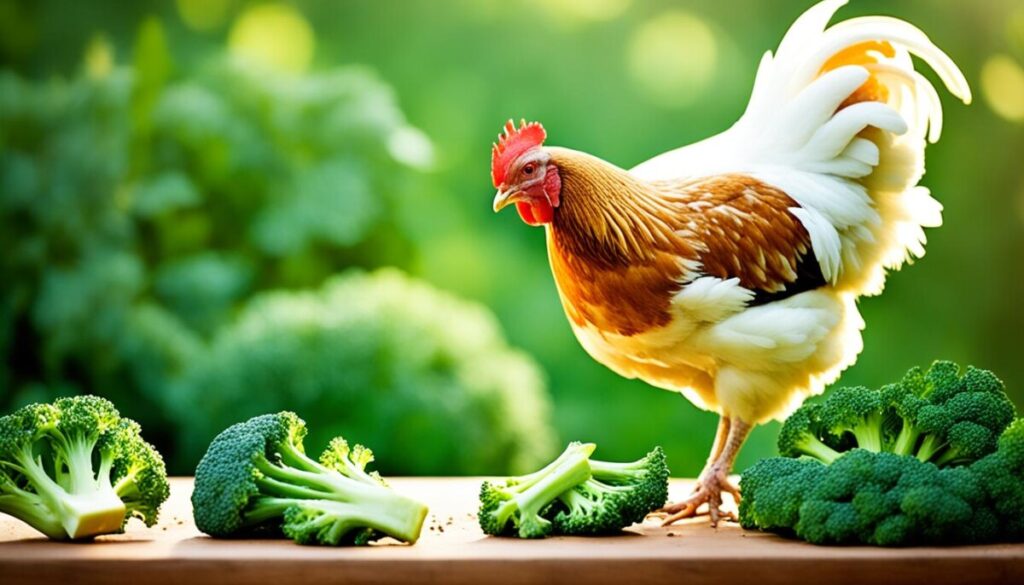
Hello there! Today, I want to address an important question that many chicken owners may have: Can chickens eat raw broccoli? As a poultry enthusiast myself, I understand the importance of providing a healthy and balanced diet for our feathered friends. So, let’s dive into the topic of feeding chickens raw broccoli and explore the potential benefits and considerations.
Chickens are omnivores, which means they can consume a wide range of foods. Raw broccoli is one such option that can be added to their diet. However, it’s crucial to keep in mind that moderation is key. While chickens can enjoy the nutritional benefits of broccoli, too many treats can impact their overall nutrition. Additionally, broccoli contains goitrogens, which can cause avian goiter if offered in excess, so monitoring their intake is essential.
Despite these considerations, feeding chickens raw broccoli can be a healthy addition to their diet. Broccoli is rich in vitamins, minerals, fiber, and antioxidants, providing essential nutrients to support their overall health. All parts of the broccoli plant, including the roots, stalks, and leaves, are edible for chickens.
When feeding broccoli to chickens, it’s important to rinse and inspect it for any moldy or rotten spots. Cutting the raw broccoli into small, bite-sized pieces makes it easier for chickens to consume. Additionally, providing grit supplementation can aid in the digestion of fresh foods like broccoli.
Key Takeaways:
- Chickens can eat raw broccoli in moderation as part of their diet.
- Raw broccoli provides essential vitamins, minerals, fiber, and antioxidants for chicken health.
- Broccoli contains goitrogens, so it’s important to monitor their intake.
- Rinse and inspect broccoli, cut it into small pieces, and provide grit supplementation for better digestion.
- Broccoli can contribute to chicken growth, immunity, and egg production.
Now that we’ve established that chickens can enjoy raw broccoli, let’s explore how to prepare and serve this nutritious treat to your flock in the next section.
How to Feed Broccoli to Chickens: Preparation and Serving Tips
Feeding broccoli to chickens requires proper preparation and serving techniques to ensure that the chickens can easily consume and benefit from this nutritious vegetable. Whether you are feeding them raw or cooked broccoli, there are a few steps to follow to make it suitable for chicken consumption.
Before serving broccoli to chickens, it is crucial to rinse and inspect the fresh broccoli thoroughly. This step helps remove any dirt, pesticides, or other contaminants that may be present on the surface. Additionally, any moldy or rotten spots should be cut off and discarded, as they can be harmful to the chickens’ health.
Chickens can have difficulty picking up and eating whole broccoli plants due to their lack of teeth and opposable thumbs. To make it easier for them to consume, it is best to cut the raw broccoli into small, bite-sized pieces. Dicing the broccoli helps ensure that the chickens can peck at it comfortably and efficiently.
Tip: Alternatively, you can offer cooked broccoli to chickens in larger pieces. The cooking process breaks down the tough cell walls of the broccoli, making it easier for the chickens to consume and digest.
When feeding chickens fresh foods like broccoli, it is essential to provide grit supplementation to aid in digestion. Grit, typically small stones or bird grit specifically formulated for chickens, helps break down the food in their gizzard, allowing for better absorption of nutrients. Grit can be sprinkled onto the chicken feed or provided separately in a designated area within the chicken coop or run.
By following these preparation and serving tips, you can ensure that your chickens receive the full nutritional benefits of broccoli while enjoying a delicious and healthy treat.
Summary of Broccoli Preparation and Serving Tips for Chickens
| Step | Preparation/Serving Tip |
|---|---|
| 1 | Rinse and inspect the fresh broccoli, removing any moldy or rotten spots. |
| 2 | Cut the raw broccoli into small, bite-sized pieces for easy consumption. |
| 3 | Alternatively, offer cooked broccoli in larger pieces as a treat. |
| 4 | Provide grit supplementation to aid in digestion. |
By following these guidelines, you can ensure that your chickens can safely enjoy broccoli as part of their diet while promoting their overall health and wellbeing.
Benefits of Feeding Chickens Broccoli
Feeding chickens broccoli offers numerous benefits for their health and wellbeing. Broccoli is a powerhouse of essential vitamins, minerals, and antioxidants that can significantly enhance the chicken’s immune system and overall health.
One of the key advantages of including broccoli in a chicken’s diet is its contribution to chicken growth and development. Broccoli contains natural proteins that promote healthy muscle growth, allowing chickens to reach their full potential.
Furthermore, the high fiber content in broccoli can improve the quality of eggs laid by chickens. Fiber aids in better digestion and nutrient absorption, resulting in stronger eggshells and reduced risk of pathogens contaminating the eggs.
Broccoli is also a rich source of calcium and zinc, essential minerals that support bone strength and joint health in chickens. Including broccoli in their diet can help prevent bone-related issues and ensure chickens remain active and agile.
Additionally, the antioxidants found in broccoli play a crucial role in protecting chickens from diseases and toxins. These natural compounds help strengthen the chicken’s immune system, reducing the likelihood of falling ill and improving overall vitality.
A nutrient-rich diet that includes broccoli not only benefits the chickens but also has a positive impact on the taste and nutrient content of the eggs they produce. Chickens that consume a diverse and balanced diet, including broccoli, lay eggs that boast better flavor and higher nutritional value.
Overall, feeding chickens broccoli offers a wide range of benefits, including improved immune function, enhanced growth and development, better egg quality, and enhanced protection against diseases. Incorporating this nutritious vegetable into their diet ensures that chickens lead healthy and productive lives.

Vitamins and Minerals in Broccoli
| Nutrient | Amount per 100g |
|---|---|
| Vitamin C | 89.2mg |
| Vitamin K | 101.6mcg |
| Folate | 63mcg |
| Calcium | 47mg |
| Potassium | 316mg |
| Zinc | 0.4mg |
| Iron | 0.73mg |
Other Healthy Treats for Chickens
In addition to broccoli, chickens can enjoy a variety of other healthy treats as part of their diet. Incorporating a diverse range of fruits, vegetables, herbs, grains, and even foraging opportunities can provide essential nutrients and add excitement to their meals. Here are some options to consider:
Fruits for Chickens
- Apples:
- Berries:
- Grapes:
- Melons (without peels):
Vegetables for Chickens
- Lettuce:
- Spinach:
- Kale:
- Cabbage:
- Carrots:
Herbs for Chickens
- Oregano:
- Basil:
- Thyme:
- Parsley:
- Cilantro:
- Lavender:
- Mint:
Harder Vegetables for Chickens
Harder vegetables like carrots, beets, squash, pumpkins, and sweet potatoes can be cooked before being fed to chickens. Cooking these vegetables makes them easier for chickens to digest and enjoy.
Grains for Chickens
Incorporating grains into chicken feed can provide a fun foraging challenge for your flock. You can hide grains like oats, oatmeal, quinoa, and wheat in the feed to encourage natural foraging behavior.
While it’s important to provide a variety of treats, remember to do so in moderation. Treats should only make up a small portion of a chicken’s overall diet, with the main focus on a balanced chicken feed. It’s also crucial to avoid feeding chickens foods that are high in fat, salt, or contain substances toxic to them. For example, avocados pits or skins, coffee grounds, green potato peels, rhubarb, and moldy food should be avoided. Onions and garlic can affect the flavor of eggs, so it’s best to skip those as well.
By offering a variety of healthy treats, you can provide your chickens with added nutrition, enrichment, and satisfaction. Remember to monitor their overall diet to ensure they are receiving the essential nutrients they need to thrive.
Feeding Tips and Cautionary Foods for Chickens
When it comes to feeding chickens, there are some important tips to keep in mind to ensure their health and well-being. Additionally, there are certain cautionary foods that should be avoided due to their potential negative effects on chicken health. Let’s explore these feeding tips and cautionary foods in more detail:
Feeding Tips:
- Limit Table Scraps: While table scraps can be given to chickens as treats, it is crucial to ensure that these scraps do not contain salt, caffeine, alcohol, or sugar. These substances can be harmful to chickens and should be avoided.
- Balance Their Diet: It’s important to provide a balanced chicken feed as the main source of nutrition. Treats, including fresh fruits and vegetables, should only make up a small portion of a chicken’s daily diet. Chicken feed should account for at least 90% of their overall diet to ensure they receive the necessary nutrients.
- Avoid Overfeeding: Overfeeding treats can lead to health issues in chickens, such as obesity and nutritional imbalances. To prevent these problems, it is recommended to limit treat consumption and provide portion-controlled amounts of treats.
- Provide Grit Supplementation: When feeding chickens fresh fruits and vegetables, it is essential to provide grit supplementation. Grit helps chickens break down the food in their gizzard, aiding in proper digestion.
By following these feeding tips, you can ensure that your chickens receive a balanced diet and maintain good health.
Cautionary Foods:
While chickens can eat a variety of foods, there are certain foods that should be avoided due to their potential negative effects on chicken health:
- Uncooked Potato Skins: Uncooked potato skins contain solanine, which can be toxic to chickens.
- Uncooked Beans: Uncooked beans contain a toxin called lectin, which can be harmful to chickens.
- Citrus Fruits: Citrus fruits are highly acidic and can cause digestive issues in chickens.
- Rhubarb: Rhubarb leaves contain oxalic acid, which is toxic to chickens.
- Avocado Pits or Skins: Avocado pits or skins contain persin, a substance that is toxic to chickens.
- Onions: Onions can cause anemia in chickens and affect the flavor of their eggs.
It is always safer to avoid feeding chickens something that you would not eat yourself. By being cautious with their food choices, you can help keep your chickens healthy and thriving.
Impact of Food on Egg Flavor:
It is worth mentioning that the food chickens eat can have an impact on the flavor of their eggs. Certain foods, such as onions and garlic, can affect the taste of the eggs. If you want to maintain a specific flavor profile in your eggs, it’s important to consider the foods you feed your chickens.
Now that we’ve discussed feeding tips and cautionary foods, let’s move on to exploring other healthy treats for chickens in the next section.
Treating Chickens with Care
When it comes to the health and well-being of your chickens, it’s essential to treat them with care and avoid overdoing it. Over-treating chickens can have adverse effects on their health, including a decrease in egg production, lackluster plumage, pecking behavior, and overall decline in health. To ensure the optimal conditions for your flock, it’s important to strike a balance in their diet and treats.
Limiting treats: It’s recommended to limit dried treats to a handful or two per day and offer fresh produce in moderation, around 1/2 cup per chicken per day. This controlled approach to treating chickens ensures that they receive the necessary nutrients and prevents excessive indulgence that can lead to health issues.
Balanced nutrition: Providing a balanced chicken feed serves as the main source of nutrition for your flock and ensures they receive all the essential vitamins, minerals, and proteins they need. Treats, on the other hand, should be seen as supplemental additions rather than the primary source of sustenance. This ensures that your chickens receive a well-rounded diet that supports their overall health and wellbeing.
Moderation: Just like humans, chickens need to maintain a healthy balance in their diet. Treating chickens should be done in moderation to avoid any negative repercussions on their health. By offering treats in moderation and focusing on a nutritious chicken feed, you can help maintain their overall well-being.
By treating chickens with care and providing them with a balanced diet, you are ensuring their long-term health, productivity, and happiness. Remember to monitor their overall behavior, plumage, and egg production to gauge the impact of their diet and make any necessary adjustments along the way.
Conclusion
In conclusion, chickens can safely eat raw broccoli as part of their diet. Feeding chickens small, diced pieces of rinsed and inspected broccoli provides essential vitamins, minerals, fiber, and antioxidants that contribute to their poultry nutrition. It is important to provide broccoli in moderation and with proper preparation to ensure their well-being. Additionally, feeding chickens fresh fruits and vegetables like broccoli should be accompanied by grit supplementation to aid in digestion and enhance their overall health.
It is crucial to avoid over-treating chickens and maintain a balanced diet with a main source of nutrition being a chicken feed. By following these guidelines, chicken owners can safely incorporate raw broccoli into their flock’s diet and promote a healthy feeding routine. Chickens will benefit from the nutritional value of broccoli and enjoy the flavorful treat while maintaining their poultry nutrition.
So, if you have a flock of backyard chickens and are wondering whether they can indulge in raw broccoli, the answer is yes! Feeding chickens small, properly prepared portions of this nutritious vegetable will not only provide them with essential vitamins and minerals but also add variety and enjoyment to their diet. Incorporating raw broccoli into your chickens’ feeding routine can contribute to their overall poultry nutrition and promote their well-being.