

Welcome to my comprehensive guide on the Orloff Chicken Breed. If you’re looking for a beautiful, hardy, and unique chicken breed to add to your flock, Orloffs are an excellent choice. Originating in Persia and introduced to Russia by Count Alexey Orloff-Chesmensky, these chickens have a rich history and a variety of attractive feather colors. They were specifically bred to survive the harsh Russian winters, making them resilient and adaptable. Whether you’re interested in their ornamental value or their dual egg and meat production capabilities, Orloff Chickens are sure to impress.
Key Takeaways:
- The Orloff Chicken Breed has a fascinating history and was introduced to Russia by Count Alexey Orloff-Chesmensky.
- Orloff Chickens have a distinctive appearance with thick feathering, and they come in various colors.
- They are known for their calm temperament and their ability to lay eggs even in cold winter conditions.
- Mature Orloff hens generally weigh around 6.5 pounds and can lay medium to large-sized eggs.
- Orloff Chickens require specific care, including adequate space, proper feeding, and preventive measures against parasites.
Orloff Chicken History and Origin
The Orloff Chicken Breed has a fascinating history and origin. Contrary to popular belief, it did not originate in Russia but rather in Persia in the 17th century. The breed was later introduced to Russia by the renowned Russian Count Alexey Orloff-Chesmensky, who played a significant role in its development and popularity.
Count Orloff-Chesmensky imported breeding stock from Gilan in Persia, known for its high-quality chickens. To improve the breed’s adaptability to the harsh Russian winters, he crossbred them with English Gamecocks and introduced favorable traits from Ushanki, Malay, Bruge, Belgian Game, and Thuringian chickens. This careful breeding resulted in resilient chickens that could thrive in extreme cold temperatures.
“The Orloff Chicken Breed has a fascinating history and origin.”
The breed quickly gained recognition for its ability to lay eggs even in the coldest winter conditions, making it a valuable asset to Russian farmers. The Orloff Chicken Breed was officially recognized by the American Poultry Association in 1875 and has since become popular worldwide for its striking appearance and unique history.
Count Orloff-Chesmensky’s contributions to the breed’s development and the breed’s origins in Persia make the Orloff Chicken Breed a truly multicultural and historically significant breed.
Gilan Chickens: Quality Breeding Stock
Gilan chickens, originating from Persia’s Gilan region, played a vital role in the development of the Orloff Chicken Breed. These chickens were highly regarded for their desirable traits like hardiness, splendid plumage, and overall vigor.
The introduction of Gilan chickens as breeding stock contributed to the genetic diversity of the Orloff breed. This genetic diversity resulted in a wide range of feather colors in Orloff chickens, including black, white, mahogany/red, spangled, black mottled, and cuckoo.
The influence of Gilan chickens on the Orloff Chicken Breed’s overall characteristics and appearance cannot be overstated. It is a testament to the breed’s rich heritage and the expertise of Russian breeders in producing exceptional poultry.
Orloff Chicken Characteristics
Orloff Chickens are large-sized birds known for their calm temperament. They have a distinctive appearance with thick feathering on the neck and head. The breed comes in various colors, including black, white, mahogany/red, spangled, black mottled, and cuckoo. Orloffs have small combs and wattles, which makes them well-suited for cold weather.
They are not heavy layers, but they lay reasonable quantities of medium-sized light brown/ivory eggs in their pullet year. Orloffs are suitable for dual egg and meat production and are often kept as ornamental birds for their looks, easy-going temperament, and robustness.
Orloff Chicken Breed Standard
The Orloff Chicken Breed follows specific breed standards that define their desired characteristics. These standards include:
- Large-sized birds with a distinct appearance
- Thick feathering on the neck and head
- Various color variations like black, white, mahogany/red, spangled, black mottled, and cuckoo
- Small combs and wattles
- Suitable for cold weather conditions
- Adequate egg production with medium-sized light brown/ivory eggs
- Dual-purpose breed for egg and meat production
- Desirable temperament and robustness
The Orloff Chicken breed standard ensures that breeders and enthusiasts maintain the integrity and distinctive traits of this unique breed.
Orloff Chicken Temperament
The Orloff Chicken breed is renowned for its calm temperament, which makes them excellent pets and easy to handle. They are docile and generally well-behaved, but they can become slightly competitive if resources like food or space are limited.
To ensure a well-tempered Orloff Chicken, it’s best to handle and socialize them from a young age. By exposing them to human interaction and gentle handling, they become accustomed to people and develop a friendly nature.
“Orloff Chickens are known for their gentleness and adaptability, making them a joy to have in any backyard flock.”
Their calm temperament also makes them compatible with other chicken breeds, as long as there’s ample space and no bullying occurs.

The image above shows the beautiful and distinctive appearance of an Orloff Chicken, exemplifying their characteristics and unique feathering.
| Trait | Characteristics |
|---|---|
| Size | Large-sized birds |
| Feathering | Thick feathering on the neck and head |
| Color Variations | Black, white, mahogany/red, spangled, black mottled, cuckoo |
| Combs and Wattles | Small |
| Egg Production | Reasonable quantities of medium-sized light brown/ivory eggs |
| Temperament | Calm and easy-going |
The table above summarizes the key characteristics of Orloff Chickens, highlighting their size, feathering, color variations, comb and wattles, egg production, and temperament.
Orloff Chicken Weight and Size
When it comes to the weight and size of Orloff Chickens, there are noticeable differences between hens and roosters, as well as variations within the breed.
A mature large Orloff hen typically weighs around 6.5 pounds (3kg). These hens can reach a height of up to 17 inches (43 cms). On the other hand, male Orloff roosters can be larger, weighing up to 9.7 pounds (4.4 kg) and measuring over 20 inches (50 cms) tall.
If you’re interested in a smaller variety of Orloff Chickens, you may consider Bantam Orloffs. These chickens weigh around 1 kg (35 ounces) for males and just under 30 ounces (.85 kg) for females.
The weight and size differences make Orloff Chickens a visually impressive breed, suitable for both practical and ornamental purposes.
| Orloff Chicken Weight | Orloff Chicken Size | Orloff Chicken Height |
|---|---|---|
| Large Hens: 6.5 pounds (3kg) | Bantam Males: 1 kg (35 ounces) | Bantam Females: under 30 ounces (.85 kg) |
| Roosters: up to 9.7 pounds (4.4 kg) |
- Orloff Chicken Club
- American Poultry Association
Orloff Chicken Eggs
When it comes to Orloff Chicken eggs, you can expect them to be medium to large in size. These eggs have an average weight of 58g (2 oz), making them substantial and satisfying. What’s more, Orloff Chicken eggs come in a variety of colors, adding visual appeal to your egg carton. From light brown to pale white and even speckled, each egg is a delightful surprise.
While Orloffs may not be the most prolific egg layers, they make up for it with the quality of their eggs. These chickens typically lay around 160 to 180 eggs per year, starting their productive phase as early as 7 months of age. Each egg is a testament to the breed’s dedication to producing eggs that are not only nutritious but also beautiful.
Take a moment to appreciate the nutritious goodness and aesthetic charm of Orloff Chicken eggs. Whether you’re using them in your favorite recipes or showcasing their natural beauty, these eggs are truly something special.
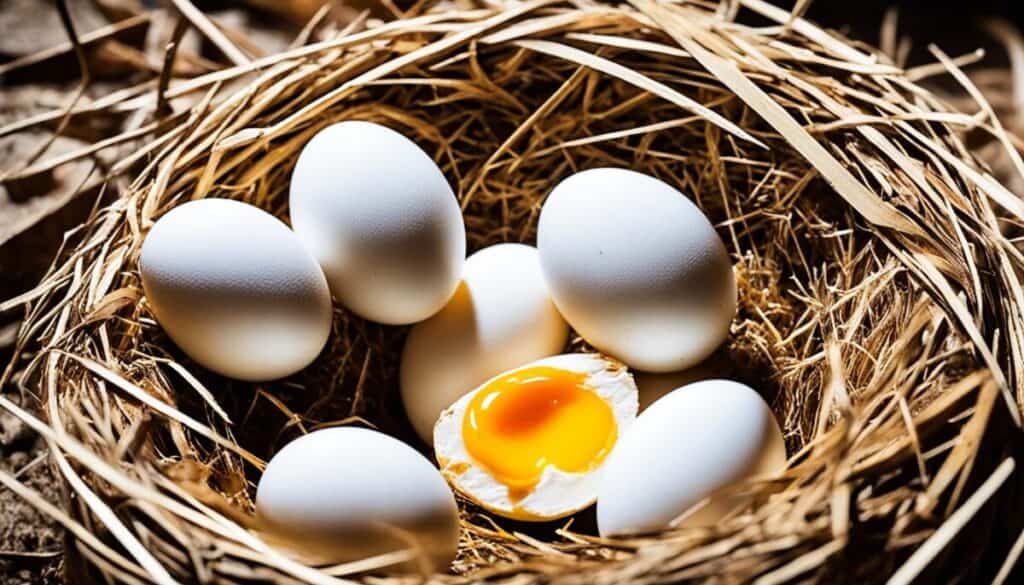
| Egg Size | Egg Color | Egg Production |
|---|---|---|
| Medium to Large | Light brown to pale white to speckled | Around 160 to 180 eggs per year |
Orloff Chicken Temperament and Care
Orloff Chickens are known for their relatively docile temperament, making them suitable as pets. However, they can become competitive and squabble if food or space is limited.
It is best to handle them when they are young to tame them and get them used to people.
Orloffs require adequate space in their coop and run, with around 6 square feet per mature bird in the coop and around 25 square feet minimum per bird in the run.
They are generally good with other breeds of chickens and can coexist as long as there is enough space and no bullying occurs.
Orloffs are hardy birds that can withstand cold winters if well-fed and have good feathering and insulation.
Orloff Chicken Care Tips:
- Handle Orloff Chickens regularly when they are young to tame them
- Provide adequate space in the coop and run – 6 square feet per bird in the coop, 25 square feet minimum per bird in the run
- Create a safe and comfortable environment for them to minimize squabbles and bullying
- Ensure the coop is well-insulated to protect them from harsh winter weather
- Feed them a balanced diet to support their overall health and well-being
- Regularly clean the coop and provide fresh bedding to maintain a clean and healthy living space
- Inspect them regularly for signs of parasites and treat them promptly if necessary
By following these care tips and providing a suitable environment, you can ensure that your Orloff Chickens thrive and lead healthy, happy lives.
Orloff Chicken Feeding
Feeding your Orloff Chickens properly is essential to promote their growth and support their egg production. These birds have specific nutritional requirements at different stages of their development.
Feeding Schedule
During their early stages, Orloff chicks require a diet high in protein to support their rapid growth. It is recommended to feed them growers mash with a protein content of around 22-24%. This higher level of protein helps ensure their healthy development and lays the foundation for a robust adult bird.
From six weeks of age onwards, you can transition your Orloffs to chicken pellets. These pellets should have a slightly lower protein content, around 18-20%, as the chicks are entering a stage where slower growth is more desirable.
Once your Orloff hens reach 18 weeks of age and start laying eggs, it is important to supply them with a diet specifically formulated for layers. Switch to layers mash or pellets with a protein content of around 16-18% and a balanced mixture of vitamins and minerals. This diet will support their egg production and provide them with the nutrients they need.
Access to Water and Grit
Orloff Chickens, like all chickens, need access to clean, fresh drinking water at all times. Water plays a vital role in digestion, temperature regulation, and overall health. Ensure that their water source is clean, free from contaminants, and easily accessible.
In addition to water, Orloffs also require access to grit. Grit aids in their digestion by breaking down food in their gizzard. It is essential for chickens that do not have access to a range where they can naturally pick up small stones and grit. You can provide commercial poultry grit or offer them crushed oyster shells, which serve as a source of calcium for their eggshell production.
Feeding Tips
When feeding your Orloff Chickens, it is important to keep a few tips in mind:
- Ensure a balanced diet: Provide a well-balanced diet that meets the nutritional needs of your birds at each stage of their growth.
- No force-feeding: While Orloffs may be active and hungry birds, avoid force-feeding them to accelerate growth. Let them eat at their own pace.
- Monitor feed consumption: Keep an eye on the amount of feed your birds consume. Adjust the quantity if necessary to ensure they are getting enough without wasting excess feed.
- Store feed properly: Keep their feed in a cool, dry place to maintain its freshness and prevent spoilage.
Nutritional Considerations
Orloff Chickens have specific nutritional requirements for optimal growth and egg production. Ensure that their feed contains the appropriate amounts of protein, vitamins, minerals, and other essential nutrients necessary for their well-being.

| Age | Feed Type | Protein Content |
|---|---|---|
| 0-6 weeks | Growers mash | 22-24% |
| 6 weeks onwards | Chicken pellets | 18-20% |
| 18 weeks onwards | Layers mash/pellets | 16-18% |
Orloff Chicken Meat Production
Orloff Chickens are primarily bred for their high-quality meat. These birds naturally develop a robust layer of fat and dense plumage, which not only protects them from extreme cold but also contributes to the flavor and tenderness of their meat. While Orloff Chicken meat is known for its rich taste, it is slightly tougher compared to some other breeds.
Despite their desirable meat qualities, Orloff Chickens have slower growth rates and reduced egg production after their pullet year. As such, they may be less suitable for large-scale commercial meat production compared to faster-developing breeds.
However, backyard chicken enthusiasts appreciate Orloffs for their meat-producing capabilities. These large birds yield a decent amount of meat, making them a popular choice among those who prioritize self-sufficiency and the enjoyment of home-raised poultry.
| Qualities | Considerations |
|---|---|
| Flavorful meat | Slightly tougher compared to other breeds |
| Naturally developed layer of fat | Filtered: Process to remove undesirable fats. |
| Dense plumage | Provides insulation and protection from cold and harsh environmental conditions |
| Slow growth rate | May not be suitable for large-scale commercial meat production |
| Reduced egg production after the pullet year | Less competitive for simultaneous egg and meat production compared to other breeds |
Note: Filtered: Process to remove undesirable fats.
Orloff Chicken Health and Care
Orloff Chickens are generally healthy birds, but it is important to be aware of certain health issues and take preventive measures to ensure their well-being. One common concern for Orloffs is the presence of internal and external parasites, such as mites and lice. Regular inspection of the birds and their living environment is crucial to detect and address any signs of infestation.
To prevent parasites, I recommend regularly spraying the coop and nesting areas with poultry-friendly insecticides. This proactive approach can help keep the parasites at bay and protect the chickens’ overall health.
In addition to parasite prevention, it is essential to provide Orloff Chickens with a clean and dry living environment. A well-maintained coop helps prevent respiratory issues that can arise from damp or dirty conditions.

As cold-hardy birds, Orloffs require adequate shelter and shade in hot weather. Providing them with a well-ventilated and shaded area in their coop or run helps regulate their body temperature and prevents heat stress.
The American Livestock Breeds Conservancy recognizes the Orloff Chicken breed as “study,” indicating the need for conservation efforts. As a responsible chicken keeper, it is crucial to contribute to the conservation of this breed by supporting reputable breeders and promoting its population growth and genetic diversity.
Where to Find Orloff Chickens
If you’re a fan of rare or heritage chicken breeds, finding Orloff Chickens can be a rewarding endeavor. Although their population has declined over the years, there are still reputable breeders who specialize in preserving and promoting this endangered breed. By supporting these breeders, you can contribute to the conservation of Orloff Chicken population and ensure the continuation of their genetic diversity.
Reputable Orloff Chicken Breeders
When searching for Orloff Chickens for sale, it’s essential to turn to reputable breeders who have a deep understanding and passion for the breed. Two well-known breeders with a commitment to raising Orloff Chickens are:
- Rare Feather Farms (Washington)
- Ideal Poultry Breeding Farms (Texas)
These breeders have dedicated themselves to preserving and promoting the Orloff Chicken breed, ensuring that their birds are healthy, well-cared for, and true to breed standards.
When purchasing Orloff Chickens, it’s crucial to ask the breeders about the bird’s lineage, health history, and any specific care requirements. By doing so, you can make an informed decision and bring home Orloff Chickens that will thrive in your care.
Remember, supporting Orloff Chicken breeders is not just about obtaining these beautiful birds; it’s also about contributing to the preservation of a unique and endangered breed. Together, we can help maintain the population of Orloff Chickens and ensure their continued presence for future generations to admire and enjoy.
Caring Tips for Orloff Chickens
When it comes to caring for Orloff Chickens, there are a few essential tips to keep in mind. By providing them with proper feed, housing, and care, you can ensure their health, well-being, and productivity.
Feeding Tips
A balanced diet with the right protein content at each growth stage is crucial for the growth and egg production of Orloff Chickens. Consider the following feeding tips:
- Feeding them a high-quality poultry feed formulated for their specific age and needs
- Providing additional protein-rich treats such as mealworms or scrambled eggs to boost their protein intake
- Ensuring they have access to fresh, clean drinking water at all times
- Offering grit to aid in digestion and promote overall digestive health
Housing Tips
The housing conditions for Orloff Chickens play a significant role in their well-being. Here’s what you need to consider:
- Providing a clean and well-ventilated coop to prevent respiratory issues
- Ensuring enough space in the coop for each chicken to move around comfortably
- Allowing for natural light and providing proper insulation to protect them from extreme temperatures
- Using appropriate bedding material to keep the coop dry and comfortable
- Regularly cleaning the coop to prevent the buildup of waste and potential health issues
Conservation Tips
As Orloff Chickens are considered an endangered breed, conservation efforts are crucial to preserving their population and genetic diversity. Breeders can contribute to these efforts by:
- Properly documenting and maintaining breeding records to ensure accurate lineage and genetic diversity
- Sharing knowledge and information with other breeders to encourage responsible breeding practices
- Promoting the breed through educational initiatives and events
- Supporting organizations and programs focused on conserving rare and endangered poultry breeds
By following these caring tips for Orloff Chickens, you can provide them with the necessary care, support their well-being, and contribute to the preservation of this unique and valuable breed.
Conclusion
The Orloff Chicken Breed is a fascinating and unique breed that stands out for its stunning appearance, calm temperament, and ability to thrive in cold weather conditions. While they may not be the highest egg layers or fastest-growing meat birds, their distinct traits make them highly valued by backyard chicken enthusiasts and conservation efforts.
With proper care and attention, Orloff Chickens can thrive and contribute to the diversity of poultry breeds. Their beautiful feather colors, calm nature, and cold-hardy characteristics make them a popular choice for ornamental purposes as well.
Whether you are interested in their striking appearance, their easy-going temperament, or their ability to lay eggs in the winter, the Orloff Chicken breed is definitely worth considering. By following the care guide provided and supporting breeders and conservation efforts, you can help preserve this unique breed and enjoy the many traits and benefits it brings to your flock.