Geese, especially heavy goose breeds like the Embden, African, and Toulouse, require time, space, and proper care to thrive. These breeds have separate lines for commercial production and exhibition showing. Exhibition birds are larger than commercial ones, with Embden geese standing 36 to 40 inches tall. Domestic geese are hardy, sociable, and resistant to many diseases. They are known for their protective nature, individual personalities, and ability to communicate with humans.
Key Takeaways:
- The Embden goose is a heavy breed popular for commercial meat production due to its fast growth rate and large size.
- The Toulouse goose is well-known for its large liver used in making foie gras, while commercial Toulouse geese are smaller and leaner.
- The African goose is easily recognized by its distinctive size, long neck, upright stance, and knob on its head.
- Geese have a rich breeding history and have been associated with various cultures and traditions, symbolizing love, protection, and prosperity.
- Raising geese offers a range of benefits, including high-quality meat, large eggs, weed control, and their role as guard animals.
The Embden Goose: A Versatile Breed
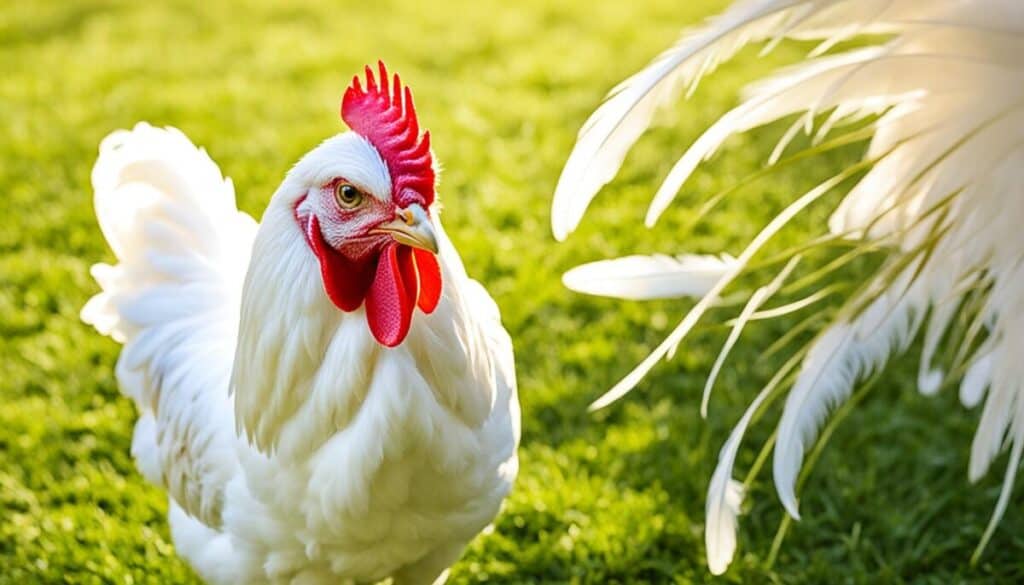
The Embden goose is a highly versatile breed, renowned for its adaptability and numerous desirable traits. It is one of the most common breeds used for commercial meat production, valued for its fast growth rate, large size, and beautiful white feathers. The Embden goose also possesses distinctive features such as orange feet and beak, as well as striking blue eyes.
The Perfect Commercial Meat Bird
The Embden goose is a popular choice for commercial production due to its impressive growth rate and substantial size. Males can reach weights of up to 26 pounds, while females typically weigh around 20 pounds. These geese are excellent meat birds, providing a generous yield of flavorful, high-quality meat.
Accurate Sex Determination
When it comes to Embden goslings, their coloration allows for accurate sex determination. However, as they mature, both males and females showcase a pure white plumage. This uniformity adds to their aesthetic appeal and makes them easily recognizable as Embden geese.
Patiently Waiting for Maturity
While the Embden goose excels as a meat bird, it requires patience from the farmer or homesteader. The breed takes approximately three years to reach full maturity, emphasizing the importance of long-term planning and commitment. By allowing the Embden goose enough time to develop, you’ll ensure a delicious and succulent final product.
In addition to its reputation as a commercial meat breed, the Embden goose also thrives in domestic settings. These sociable geese are not only visually appealing, but they also possess a protective nature and individual personalities. They are known to establish strong bonds with humans and are valued for their ability to communicate effectively.
“The Embden goose is prized for its exceptional size, rapid growth, and versatile applications. Whether raised for commercial production or in a domestic environment, these geese are a reliable choice with numerous desirable traits.” – Me
To summarize, the Embden goose stands out as a versatile breed, equally suited for commercial meat production and domestic settings. Its impressive size, fast growth rate, and distinctive features make it a preferred choice among farmers and homesteaders alike. Whether you’re looking to raise exhibition birds or embark on a commercial production venture, the Embden goose is a breed that won’t disappoint.
The Toulouse Goose: A Traditional Breed
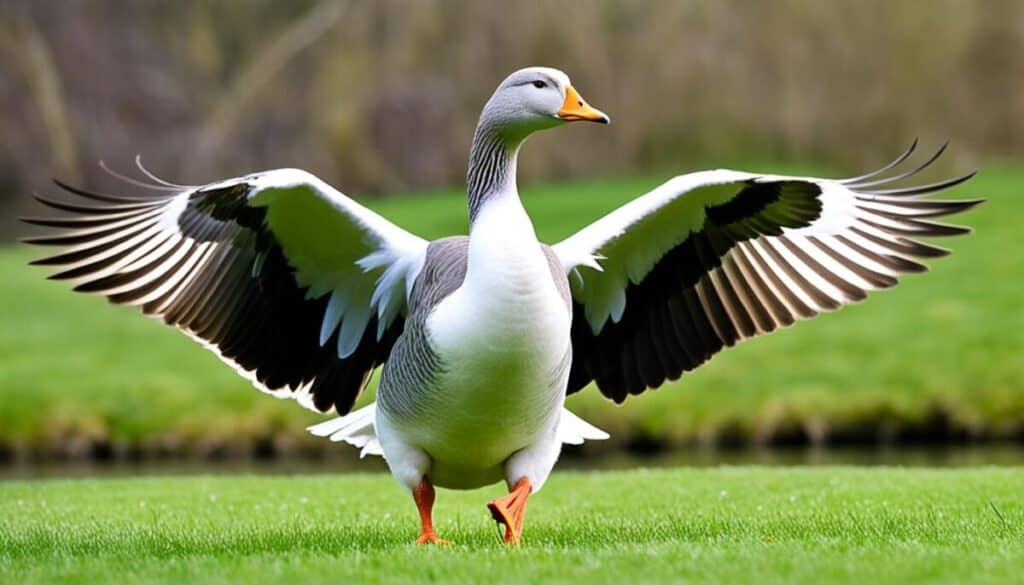
The Toulouse goose is a traditional French breed known for its rich history and unique characteristics. Originally raised for its large liver used in the production of foie gras, the Toulouse goose has gained popularity for its meat production and exhibition qualities.
For exhibition purposes, the ideal Toulouse goose is low-slung and heavy-bodied, featuring a dewlap under the chin and a fatty keel. These physical attributes contribute to its distinctive appearance and make it a sought-after bird for showcasing in exhibitions.
Commercial Toulouse geese, on the other hand, are smaller and leaner, making them better suited for meat production. Their gray or buff plumage adds to their visual appeal, and ganders can weigh as much as 30 pounds, providing a substantial amount of meat.
The Toulouse goose’s breeding history is deeply rooted in French culture, and its adaptability to different climates makes it a versatile bird for various environmental conditions. Whether raised for its prized liver, as an exhibition bird, or for its meat production, the Toulouse goose remains a beloved and iconic breed in the world of poultry.
| Toulouse Goose | Characteristics |
|---|---|
| Weight (Ganders) | Up to 30 pounds |
| Weight (Geese) | Varies, smaller and leaner than ganders |
| Plumage | Gray or buff |
| Uses | Meat production, exhibition |
The African Goose: A Distinctive Breed
The African goose is a remarkable breed known for its unique characteristics and distinctive appearance. These geese have a majestic large size, featuring a long neck, an upright stance, and the notable knob on their head. African geese come in various color varieties, including brown, white, and even buff varieties.
Exhibition African geese are particularly impressive, weighing around 22 pounds for ganders and 18 pounds for geese. On the other hand, commercial African geese tend to be smaller in size, similar to Chinese geese. Whether for exhibition or commercial purposes, African geese are captivating birds that stand out in any flock.
African geese are recognized not only for their distinctive appearance but also for their remarkable temperament. They are friendly and sociable, often forming strong bonds with their caregivers and other flock members. These geese have a territorial nature and will readily sound the alarm when strangers approach, making them excellent guard animals for your property.
Furthermore, African geese are also valued for their skill as setters. They possess a natural instinct for brooding eggs and can be relied upon to diligently care for and protect their nests. This trait makes them highly prized for their contributions to brooding and hatching eggs.
“The African geese with their distinctive appearance, friendly nature, and excellent setting abilities are truly remarkable additions to any flock.”
Distinguishing Features of African Geese:
- Large size and long neck
- Upright stance
- Knob on the head
- Variety of color options
- Impressive exhibition weight of up to 22 pounds
- Friendly and territorial temperament
- Notable setters, valuable for brooding eggs
If you’re looking for an eye-catching breed with distinctive traits, African geese are an excellent choice. Their imposing size, unique appearance, and friendly nature make them an attractive addition to any homestead or farm.
The History of Domestic Goose Breeds
The domestication of geese dates back thousands of years, showcasing their enduring presence in various cultures and traditions. Throughout history, geese have served as valuable sources of meat, eggs, down, and even symbols of love and protectors of cities. Here, I delve into the rich breeding history of geese and their symbolic significance across different civilizations.
Ancient societies such as the Romans, Greeks, and Celts revered geese for their unique qualities. Geese were associated with religious and mythological beliefs, often portrayed as sacred animals or linked to deities. For example, in Roman mythology, geese were said to have warned of an invading enemy, saving the city of Rome. The association between geese and domestication runs deep, intertwining with cultural, spiritual, and historical narratives.
Today, geese breeding and production play a vital role in sustainable food production and the preservation of traditional products. By raising domestic goose breeds, farmers and homesteaders contribute to the continuation of centuries-old practices and the conservation of heritage breeds.
“Geese have a long history of being valued for their contributions to agriculture and human societies. Their importance extends beyond their use as a source of food, with their presence signaling a connection to ancestral traditions and the resilience of farming practices.”
Adaptation to Environments
One of the remarkable characteristics of domestic goose breeds is their ability to adapt to various environments. From cold climates to wetlands and grasslands, geese have thrived in different geographical regions. Their resilience and adaptability contribute to their popularity as livestock breeds.
Geese have often been utilized for their suitability in specific environments. For example, some breeds are known for their resistance to harsh winters, making them valuable in colder regions. Others excel in free-range settings, where they can graze on natural resources and contribute to sustainable farming practices.
Geese Breeding History in Ancient Civilizations
Ancient civilizations placed great importance on geese breeding, recognizing the benefits of these creatures. In addition to their role in providing food and resources, geese were bred selectively for various traits. For instance, ancient Egyptians selectively bred geese for larger fat deposits, which were used in cooking and religious ceremonies.
Furthermore, geese breeding played a significant role in ensuring the availability of eggs and meat for the population. The breeding programs of ancient civilizations laid the foundation for the diverse range of domestic goose breeds that exist today.
Symbolic Significance
Geese have held symbolic meanings in different cultures, often representing loyalty, vigilance, and guardianship. They have been associated with love and fidelity, with geese often depicted as lifelong mates. Additionally, their protective instincts have made them symbols of safety and guardianship.
Throughout history, geese have also been revered for their role as protectors. They are known for their alertness and ability to sound the alarm in the presence of strangers, making them valuable guards for properties and flocks.
The Legacy of Domestic Goose Breeds
The legacy of domestic goose breeds lives on through their continued breeding and preservation efforts. Today, these breeds contribute to sustainable farming practices while honoring the traditions and cultural significance associated with geese.

Geese as a Valuable Livestock Breed
Geese are not only adorable creatures but also valuable livestock breeds that offer a range of benefits. Their unique personalities, adaptability to various environments, and high-quality products make them a popular choice for farmers and homesteaders alike.
One of the remarkable features of geese is their ability to forage. They excel at utilizing natural resources and grazing on vegetation, making them well-suited for free-range farming systems. This natural grazing behavior not only ensures sustainable growth but also contributes to the production of high-quality meat, eggs, down, and feathers.
Moreover, geese are known for their resistance to diseases, allowing them to thrive in different conditions and reducing the need for extensive veterinary care. Their sociability with both their flock and humans adds another dimension to their appeal as livestock. Geese have unique personalities and often form strong bonds with their caretakers, creating an interactive and enjoyable farming experience.
To showcase the value of geese as livestock breeds, consider the following table:
| Benefits of Raising Geese | Description |
|---|---|
| Adaptability | Geese can adapt to various environments and withstand different weather conditions. |
| Unique Personalities | Geese have individual personalities and can form strong bonds with humans. |
| Integrated Production Systems | Geese are commonly raised in integrated production systems, contributing to sustainable growth in food production. |
| Free-Range Farming | Geese’s natural grazing behavior makes them ideal for free-range farming, utilizing natural resources efficiently. |
| Multiple Products | From meat and eggs to down and feathers, geese offer a variety of high-quality products. |
As you can see, geese bring numerous benefits to the livestock industry. Whether you’re seeking sustainable growth, a unique and interactive farming experience, or high-quality products, geese are a valuable choice for any homestead.
Don’t overlook their personalities:
“Geese are not just farm animals; they have unique personalities. Each goose has its own character, adding an element of joy and a touch of the wild to your farm. Their sociability and ability to communicate with humans make them charismatic and unforgettable.”
Geese truly have it all – adaptability, sustainability, and individuality. Whether you’re a seasoned farmer or starting your homestead, consider the valuable contributions geese can make to your farm and family.
Raising Geese in the Dehesa System
The dehesa system offers an alternative, organic approach to raising geese, providing numerous benefits for both the birds and the environment. Geese raised in the dehesa system have the opportunity to enjoy natural grazing, which includes the consumption of acorns. This natural diet contributes to the unique flavor and high-quality meat of dehesa-raised geese.
The dehesa system is characterized by its commitment to organic farming principles, prioritizing the well-being and health of the geese. This sustainable rearing system allows geese to roam freely in a natural environment, ensuring optimal physical and mental health. By utilizing natural grazing, geese have access to a diverse range of vegetation and insects, promoting their overall nutrition and vitality.
The dehesa system has gained popularity in both Eastern and Western countries due to its environmentally friendly nature. This system aligns with organic farming principles and establishes a harmonious relationship between geese and their natural surroundings. By integrating geese into the dehesa ecosystem, farmers can enhance biodiversity, restore degraded landscapes, and promote sustainable agricultural practices.

Geese raised in the dehesa system enjoy natural grazing and acorn feeding, resulting in high-quality meat.
The Benefits of Raising Geese in the Dehesa System
Raising geese in the dehesa system offers a range of benefits:
- High-Quality Meat: Geese raised on a natural diet of acorns and diverse vegetation in the dehesa system produce meat of exceptional taste and quality.
- Sustainability: The dehesa system promotes sustainable farming practices by utilizing natural resources, reducing reliance on external inputs, and enhancing environmental preservation.
- Organic Farming: The dehesa system adheres to organic farming principles, ensuring the geese are raised without the use of synthetic chemicals or genetically modified organisms.
- Natural Grazing: Geese have the opportunity to roam freely and engage in natural grazing behaviors, mimicking their natural habitats and supporting their overall well-being.
- Acorn Feeding: The consumption of acorns contributes to the unique flavor and increased nutritional value of the geese’s meat.
| Benefits of Raising Geese in the Dehesa System | Description |
|---|---|
| High-Quality Meat | Geese raised in the dehesa system produce meat of exceptional taste and quality due to their natural diet. |
| Sustainability | The dehesa system promotes sustainable farming practices, reducing reliance on external inputs and enhancing environmental preservation. |
| Organic Farming | The dehesa system adheres to organic farming principles, ensuring geese are raised without synthetic chemicals or genetically modified organisms. |
| Natural Grazing | Geese have the opportunity to roam freely and engage in natural grazing behaviors, mimicking their natural habitats. |
| Acorn Feeding | The consumption of acorns contributes to the unique flavor and increased nutritional value of the geese’s meat. |
Choosing the Right Breed for Your Homestead
When establishing a homestead, selecting the appropriate breed of goose is crucial to fulfill your specific requirements and objectives. Each breed possesses distinct characteristics and abilities that make them well-suited for particular purposes.
Meat Breeds
If your primary focus is meat production, certain breeds are renowned for their exceptional qualities in this regard. The Embden Chicken Breed, for instance, stands out for its rapid growth rate, large size, and white plumage. These traits, coupled with their meat’s outstanding taste and texture, make them a favored choice among homesteaders.
Egg Breeds
If your homestead aims to prioritize egg-laying capabilities, consider breeds specifically bred for this purpose. These breeds consistently demonstrate exceptional productivity, providing a reliable supply of large eggs. They offer both practicality and delicious taste, enhancing your culinary endeavors.
Weeder Geese
Gardens and orchards often require diligent weed control to optimize plant growth and health. Certain goose breeds excel at this task due to their grazing habits and foraging instincts. By introducing weeder geese to your homestead, you can maintain a naturally weed-free environment without relying heavily on chemical interventions.
Guard Geese
If enhancing the security of your homestead is a primary concern, consider introducing guard geese to your flock. These breeds possess remarkable alertness and protective characteristics, making them excellent deterrents against potential threats. Their territorial nature and ability to sound the alarm when strangers approach provide an added layer of protection to your property.
Note: Understanding the personality traits and specific characteristics of different goose breeds is pivotal in selecting the most suitable breed for your unique needs and preferences.
By considering the intended purpose of your geese and their corresponding traits, you can make an informed decision in choosing the right breed for your homestead. The variety of options available allows you to select geese that not only meet your practical needs but also harmonize with your personal preferences and objectives.
The Benefits of Raising Geese: Meat, Eggs, and More
Raising geese on your homestead offers a myriad of advantages that contribute to sustainable growth and a thriving farm. These remarkable birds possess unique qualities that make them valuable additions to any livestock operation. Let’s explore the benefits of raising geese and how they can enhance your farming experience.
1. Low Feed Costs: Geese are renowned for their efficient foraging capabilities, which translates into low feed costs. By utilizing their natural grazing instincts, geese can find a significant portion of their diet in the form of grass, weeds, and insects, reducing your reliance on expensive commercial feed.
2. High-Quality Meat: Geese provide a plentiful source of delectable, lean meat. When raised for meat production, some goose breeds can gain up to a pound of weight per week. This rapid growth combined with the excellent flavor and texture of goose meat makes it a sought-after choice for many culinary enthusiasts.
3. Large Eggs with Unique Flavors: In addition to meat, geese also lay large eggs known for their rich and distinct flavor. These eggs can be a valuable addition to your egg production, offering a unique alternative to chicken eggs. They are a popular choice among bakers and chefs who seek to elevate their culinary creations.
4. Weed Control: If you have a garden or orchard on your homestead, geese can serve as efficient and eco-friendly weeders. Their natural grazing behavior allows them to keep unwanted plants in check, reducing the need for manual weeding and chemical herbicides. By deploying geese in your growing areas, you can maintain a healthier and more manageable landscape.
5. Guard Animals: Geese possess a protective nature, making them excellent guard animals for your property. Their keen instincts and loud honking serve as an effective deterrent against potential intruders. By keeping geese as guard animals, you can enhance the security of your homestead while enjoying the companionship of these fascinating creatures.
“Geese are not only a valuable source of food and products, but they also contribute to the overall sustainability and harmony of your farm.”
As you can see, the benefits of raising geese extend far beyond their role as a food source. Geese are an integral part of a holistic approach to farming, providing sustainable growth and a range of valuable products. By incorporating geese into your homestead, you can harness their natural abilities in weed control, benefit from their protective nature, and enjoy the rewards of their high-quality meat and eggs.

| Benefits | Description |
|---|---|
| Low Feed Costs | Geese are efficient foragers, reducing the need for costly commercial feed. |
| High-Quality Meat | Geese provide lean, flavorful meat that is highly sought after. |
| Large Eggs with Unique Flavors | Geese lay large eggs known for their rich and distinct flavor. |
| Weed Control | Geese can serve as natural weeders, reducing the need for manual labor and herbicides. |
| Guard Animals | Geese have protective instincts and can act as deterrents against intruders. |
Optimal Feeding and Care Tips for Geese
To ensure the health and well-being of your geese, it’s crucial to provide them with optimal feeding and care. Geese have specific needs that must be met to ensure their overall health, productivity, and happiness.
1. Goose Feeding:
Geese thrive on natural grazing and foraging. Allow them access to a pasture or open area where they can graze on grass, weeds, and insects. This natural diet contributes to their overall health and provides essential nutrients.
2. Water Availability:
Water is crucial for geese, both for drinking and bathing. Ensure that they have access to clean, fresh water at all times. A shallow pond or a large plastic tub can serve as a suitable water source. Regularly check the water to ensure it is clean and replenish it as needed.
3. Shelter:
Geese need adequate shelter, especially during extreme weather conditions. A well-constructed shelter provides protection from rain, wind, and excessive heat. It should be spacious enough to accommodate the entire flock comfortably. Bedding such as straw or wood shavings can be added for warmth and comfort.
4. Veterinary Care:
Proper veterinary care is essential to maintain the health of your geese. Schedule regular check-ups and vaccinations with a veterinarian experienced in poultry care. This helps prevent and detect any potential health issues early on. Additionally, consult a vet if you notice any signs of illness or distress in your geese.
5. Observation and Interaction:
Regular observation and interaction with your geese allow you to monitor their behavior, health, and overall well-being. Spend time with your geese, observe their eating habits, and check for any unusual signs or symptoms. This hands-on approach helps you establish a strong bond with your geese and ensures prompt attention to any health concerns that may arise.
“By providing optimal feeding and care, you can ensure that your geese lead healthy and fulfilling lives.”
Remember, each goose is unique, and their care requirements may vary. Pay attention to their individual preferences and monitor their well-being closely. With proper feeding, ample water supply, suitable shelter, veterinary care, and regular observation, you can create an environment that promotes the health and happiness of your geese.
| Feeding | Water | Shelter | Veterinary Care | Observation |
|---|---|---|---|---|
| Natural grazing and foraging | Clean, fresh water at all times | Adequate shelter from extreme weather conditions | Regular check-ups and vaccinations | Close monitoring and interaction |
Conclusion
Geese, particularly the heavy breeds like the Embden, Toulouse, and African, offer unique benefits to homesteaders. These adaptable birds are sociable and possess a protective nature, making them valuable additions to any farm or backyard flock. Whether you’re interested in meat production, egg-laying, garden weed control, or guard duties, geese provide sustainable growth and high-quality products.
Understanding the unique characteristics and needs of each breed is essential in selecting the right geese for your homesteading goals. With proper care and attention, geese can bring joy, productivity, and a touch of the wild to your farm.
By raising geese, you can experience the benefits of homesteading, such as sustainable farming practices and the production of high-quality food. Geese contribute to a more self-sufficient lifestyle while also offering unique characteristics that make them fascinating creatures to care for. Consider adding geese to your homestead and enjoy the many rewards they bring.