
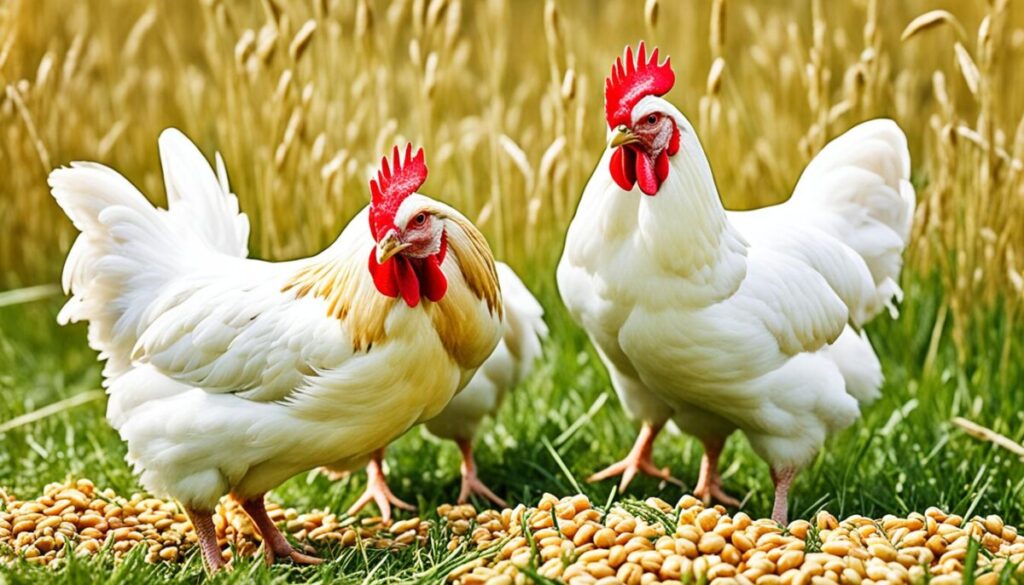
Are you curious about adding wheat berries to your chickens’ diet? Wondering if it’s a nutritious option that can benefit their health? Look no further! In this article, I will provide valuable insights into whether chickens can eat wheat berries and how it can contribute to their overall well-being.
As a poultry feed, wheat berries offer various nutritional benefits that can enhance your chickens’ diet. Unlike processed crumbles or pellets, whole grains like wheat berries retain all their natural nutrients. Feeding whole grains to chickens can improve digestion and minimize waste, making it a cost-effective choice for chicken keepers who prioritize a wholesome diet for their flock.
Let’s delve deeper into the benefits of incorporating wheat berries into your chickens’ feed and explore how it can contribute to their optimal health and productivity.
Key Takeaways:
- Wheat berries are a nutritious addition to a chicken’s diet.
- They offer various nutritional benefits, including fiber, carbohydrates, proteins, minerals, and vitamins.
- Feeding whole grains can improve digestion and reduce waste.
- It’s important to balance the protein, fat, and carbohydrate content in the chickens’ diet.
- Include a diverse range of grains, legumes, seeds, and supplements for a well-rounded feed.
The Benefits of Whole Grain Diet for Chickens
Feeding a whole grain diet to chickens, including wheat berries, can provide several benefits. Let’s explore the nutritional advantages of incorporating wheat berries into chickens’ diets.
Firstly, wheat berries are packed with fiber, which promotes healthy digestion in chickens. The high fiber content aids in breaking down food and reduces the risk of digestive issues. It also helps prevent coccidiosis, a common intestinal disease in chickens.
Moreover, wheat berries are an excellent source of carbohydrates, providing a steady source of energy throughout the day for chickens. This energy boost allows them to engage in their natural activities, such as foraging and exploring their surroundings.
In addition to fiber and carbohydrates, wheat berries contain essential minerals like calcium and phosphorus, which are crucial for maintaining strong bones and overall skeletal health in chickens. These minerals contribute to the formation of sturdy eggshells, reducing the risk of cracked or brittle shells.
Furthermore, wheat berries are a natural source of vitamin E, an essential antioxidant that supports immune function and promotes healthy skin and feathers in chickens. This nutrient-rich grain enhances the overall well-being of chickens, resulting in glossy and lustrous feathers, as well as increased egg production.
Adding whole grain options like wheat berries to chickens’ diets helps provide a well-balanced and varied nutritional profile, ensuring their optimal health and productivity.
Nutritional Comparison of Wheat Berries and Commercial Feed
| Protein (%) | Carbohydrates (%) | Fiber (%) | Calcium (%) | Phosphorus (%) | |
|---|---|---|---|---|---|
| Wheat Berries | 13.5 | 67 | 10 | 0.05 | 0.45 |
| Commercial Feed | 14-18 | 50-60 | 4-6 | 0.9-1.2 | 0.4-0.7 |
Providing chickens with a varied diet that includes whole grains like wheat berries ensures they receive the necessary nutrients for healthy development and productive egg-laying.
By incorporating wheat berries into their diet, chicken keepers can create a nutrient-rich and cost-effective feeding regimen that supports the overall well-being and performance of their flock.
Homemade Chicken Feed vs. Commercial Feed
When it comes to feeding our chickens, the choice between homemade feed and commercial feed is an important consideration. Homemade chicken feed, which includes nutrient-rich ingredients like wheat berries, offers several advantages over commercially formulated feed.
One of the main reasons many chicken keepers prefer homemade feed is the ability to have more control over the ingredients. By making chicken feed at home, I can ensure a more natural and wholesome diet for my flock. Commercial feed often contains soy, which is a genetically-modified food and may have potential health effects on chickens. By avoiding commercial feed, I can eliminate the risks associated with unwanted additives in my chickens’ diet.
Another benefit of homemade chicken feed is the opportunity to tailor the feed to the specific needs of my chickens. Chicken breeds, ages, and health conditions vary, and their nutritional requirements may differ as well. With homemade feed, I can customize the ingredients to best meet the needs of my flock, including incorporating wheat berries to provide essential nutrients.
The Cost-Effectiveness of Homemade Feed
In addition to the control and customization of homemade feed, it can also be a more cost-effective option, especially when buying ingredients in bulk. Commercial feed can be expensive, and the cost can quickly add up when feeding a large flock. By sourcing ingredients such as wheat berries in bulk, I can significantly reduce my feed costs without compromising on the nutritional quality of the feed.
Not only can homemade feed save me money, but it also allows me to support local farmers and businesses. Buying ingredients from local suppliers not only helps the local economy but also ensures the freshness and quality of the ingredients I use in my homemade feed.
| Advantages of Homemade Chicken Feed | Advantages of Commercial Feed |
|---|---|
|
|
|
|
|
|
|
|
|
|
|
|
It’s important to note that both homemade feed and commercial feed have their pros and cons. Commercial feed offers convenience and is formulated by nutrition experts to meet the nutritional needs of chickens. It often contains added vitamins and minerals, ensuring a consistent diet. However, for chicken keepers looking for more control, customization, and potential cost savings, homemade feed, including wheat berries, can be a fantastic alternative.
Overall, feeding wheat berries to chickens as part of a homemade feed can provide a healthier and more cost-effective option. By incorporating these nutrient-rich grains, I can ensure my flock receives a balanced and wholesome diet without compromising their overall health and well-being.

Next, I will explore the nutritional content of wheat berries in greater detail. Understanding their nutritional value will help me create a well-rounded homemade feed that meets the specific dietary requirements of my chickens.
Nutritional Content of Wheat Berries
When incorporating wheat berries into a chicken’s diet, it is essential to consider their nutritional content. Hard wheat berries, which contain approximately 13.5% crude protein, are preferred over the soft variety due to their higher protein content. They also provide vital carbohydrates, fiber, and a variety of minerals and vitamins necessary for the overall health of chickens.
Feeding chickens wheat berries ensures they receive a good source of essential nutrients. The protein content is particularly important for their growth and development. In addition to protein, wheat berries offer carbohydrates for energy and fiber for proper digestion. These grains also contain minerals such as calcium and phosphorus, which contribute to bone health and egg production. Furthermore, they provide vitamins, including vitamin E, which supports chickens’ immune systems and promotes healthy feather growth.
When incorporating wheat berries into a chicken’s diet, it is crucial to maintain a balanced feed. While wheat berries offer significant benefits, they should be combined with other ingredients that complement their nutritional profile. By providing a diverse range of grains, legumes, and seeds, chicken keepers can ensure their flock receives a well-rounded diet that meets all their nutritional needs.
In summary, wheat berries are a valuable addition to a chicken’s diet due to their nutritional content. They provide essential nutrients, including protein, carbohydrates, fiber, minerals, and vitamins, that contribute to the overall health and well-being of chickens. By incorporating wheat berries into a balanced feed, chicken keepers can promote optimal growth, productivity, and egg-laying in their flock. However, it is important to remember that wheat berries should not be the sole source of nutrition and should be combined with other ingredients to ensure a complete and varied diet for chickens.
Incorporating Wheat Berries into Chicken Feed
When it comes to providing a nutritious diet for chickens, incorporating wheat berries into their feed can be a great option. Wheat berries are whole grains that offer various nutritional benefits to poultry. By mixing them with other key ingredients, you can create a well-rounded homemade chicken feed that caters to their dietary needs.
Some common components of homemade chicken feed include:
- Corn
- Field peas
- Oats or barley
- Flaxseed
- Various supplements such as fish meal, kelp, and eggshells
These ingredients, when combined with wheat berries, provide a balanced mix of carbohydrates, proteins, vitamins, and minerals for your chickens. The exact recipe for chicken feed may vary depending on the specific nutritional requirements of your flock, so it’s essential to consider their needs when formulating the feed.
When introducing wheat berries into the feed, it’s best to start gradually and increase the quantity over time. This allows the chickens to adapt to the new ingredient without any digestive issues or aversion. By providing a diverse range of grains, legumes, and supplements, you can ensure that the feed is well-rounded and meets the nutritional demands of the chickens.
Benefits of Incorporating Wheat Berries
Incorporating wheat berries into chicken feed offers several benefits:
- Nutritional Variety: Wheat berries bring additional nutrients, including fiber and essential minerals, to the chickens’ diet, contributing to their overall health and well-being.
- Cost-Effectiveness: Making your own chicken feed can be a cost-effective alternative to commercially formulated options, especially when buying ingredients in bulk.
- Control Over Ingredients: Homemade feed allows you to have full control over the ingredients, ensuring a more natural and tailored diet for your chickens.
By incorporating wheat berries into homemade chicken feed, you can provide your flock with a well-rounded and nutritious diet. Remember to monitor the chickens’ health and performance regularly, making any necessary adjustments to their feed to ensure their optimal growth and productivity.

| Ingredients | Benefits |
|---|---|
| Wheat Berries | Source of fiber, essential minerals |
| Corn | Provides carbohydrates and energy |
| Field Peas | Good source of protein, aids digestion |
| Oats or Barley | Additional source of carbohydrates and fiber |
| Flaxseed | Rich in omega-3 fatty acids |
| Supplements (Fish Meal, Kelp, Eggshells) | Provides essential nutrients, such as calcium and phosphorus |
Whole Wheat as Part of a Balanced Diet
While incorporating whole wheat into a chicken’s diet can offer benefits, it should not be relied upon as the sole source of nutrition. Chickens require a well-rounded and balanced diet that includes a combination of proteins, carbohydrates, fats, vitamins, and minerals to thrive. Whole wheat alone does not provide sufficient amounts of essential nutrients for the optimal health of chickens.
To ensure chickens receive all the necessary nutrients, it’s crucial to supplement their diet with a variety of other ingredients. Legumes, such as lentils or beans, can provide additional protein, while leafy greens offer essential vitamins and minerals. It’s also important to include commercially formulated feed that is specifically designed to meet a chicken’s nutritional requirements.
A diverse diet is vital for chickens’ overall well-being. While whole wheat can serve as a valuable component of their diet, it should be combined with other nutritious ingredients for a balanced nutritional profile.
Adding Variety to the Diet
By diversifying their diet, chickens can obtain a wider array of nutrients necessary for their health. Including a mix of grains, seeds, legumes, and greens can provide a comprehensive nutritional profile for chickens. Here are some examples of key ingredients to consider:
- Barley: Offers fiber and carbohydrates
- Flaxseed: Provides omega-3 fatty acids and additional protein
- Peas: High in protein and a good source of minerals
- Oats: Adds fiber and carbohydrates
Alongside these ingredients, adding supplements like kelp or fish meal can further enhance the nutritional value of the chickens’ diet.
The Importance of Balance
While whole wheat contributes to a balanced diet, it should not overpower the other components. The quantity of whole wheat in the chickens’ diet should be proportional to the overall nutritional requirements. This ensures that the chickens receive all the necessary nutrients without an excessive intake of any particular ingredient.
Monitoring the chickens’ health and performance can help determine if adjustments are needed in the diet. Maintaining a proper balance of nutrients is essential to their growth, egg production, and overall well-being.
Providing a well-rounded diet that includes whole wheat as part of a balanced nutritional profile promotes the optimal health and productivity of chickens.
| Component | Nutritional Contribution |
|---|---|
| Proteins | Supplied by legumes and commercially formulated feed |
| Carbohydrates | Whole wheat and other grains |
| Fats | Found in a variety of supplementary ingredients |
| Vitamins and Minerals | Leafy greens, supplemental feed, and commercially formulated feed |
A balanced diet ensures chickens receive the optimal combination of nutrients for their health and well-being.
Considerations When Feeding Wheat Berries
Feeding wheat berries to chickens can offer numerous nutritional benefits, but it’s essential to consider certain factors to ensure the safety and well-being of your flock. Here are some considerations to keep in mind:
Clean and Contaminant-Free Wheat Berries
When incorporating wheat berries into your chickens’ diet, it’s crucial to use clean grains that are free from contaminants. Properly clean and inspect the wheat berries before feeding them to your chickens to avoid potential health risks.
Avoid Moldy Wheat Berries
Moldy wheat berries can be harmful to chickens. Mold can contain toxins that may negatively affect the chickens’ health and potentially lead to illnesses. Always discard any moldy wheat berries and only provide clean, fresh grains to your flock.
Balance the Nutritional Content
While wheat berries can contribute to the carbohydrate and protein content in your chickens’ diet, it’s important to ensure a well-balanced overall nutritional profile. Meeting the chickens’ nutritional requirements involves providing a diverse range of grains, legumes, fresh greens, and other necessary supplements.
Monitor Health and Performance
Regular monitoring of your chickens’ health and performance is crucial when introducing new ingredients to their diet. Observe any changes in their behavior, egg production, or overall well-being. Adjust their feed as needed to maintain their optimal health.
| Considerations | Actions |
|---|---|
| Clean and Contaminant-Free Wheat Berries | Thoroughly clean wheat berries before feeding them to chickens |
| Avoid Moldy Wheat Berries | Discard any moldy wheat berries and provide fresh grains |
| Balance the Nutritional Content | Incorporate a variety of grains, legumes, greens, and supplements in the chickens’ diet |
| Monitor Health and Performance | Regularly observe chickens for any changes and adjust their feed accordingly |
Giving due consideration to these factors will help ensure the safety, health, and overall well-being of your chickens when including wheat berries in their diet.

Nutritional Comparisons with Other Feed Options
When choosing the right feed for your chickens, it’s important to consider the nutritional content of the options available. Let’s compare the nutritional benefits of wheat berries to other feed choices to help you make an informed decision for your flock.
Nutritional Profile
Wheat berries are a great source of essential nutrients for chickens. They provide carbohydrates for energy, along with fiber for healthy digestion. Additionally, wheat berries contain minerals like calcium and phosphorus, which are crucial for bone health, as well as vitamins such as vitamin E.
In comparison to other feed options, wheat berries offer a well-rounded nutritional profile. Commercial feeds may contain a mix of grains, legumes, and supplements, providing a balanced diet for the chickens. However, some commercial feeds may also include fillers or additives that offer little nutritional value.
“Wheat berries are a natural and nutritious feed option for chickens, providing them with the essential nutrients they need for optimal health and egg production.” – John, experienced chicken keeper
Protein Content
Protein is an important component of a chicken’s diet as it supports healthy growth, feather production, and overall muscle development. While wheat berries do contain some protein, their content is lower compared to other feed options that are specifically formulated to provide higher protein levels.
Commercial feeds often have a higher protein content due to the addition of ingredients like soybean meal or fish meal. These ingredients help meet the chickens’ protein requirements and can be particularly beneficial during periods of high egg production or feather molting.
Choosing the Right Feed
When deciding on the best feed for your chickens, it’s crucial to consider their specific needs and dietary requirements. If you’re seeking a natural and cost-effective option, incorporating wheat berries into homemade feed can be a great choice. However, if you’re looking for higher protein levels or specialized formulations, commercial feeds may be more suitable.
Ultimately, a well-balanced diet that includes a mix of grains, legumes, and supplements is key to meeting your chickens’ nutritional needs. Consider consulting with a poultry nutritionist or experienced chicken keepers to determine the most appropriate feed option for your flock.
Nutritional Comparisons of Feed Options
| Feed Option | Protein Content | Carbohydrate Content | Fiber Content | Minerals | Vitamins |
|---|---|---|---|---|---|
| Wheat Berries | Low to moderate | High | Moderate | Calcium, phosphorus | Vitamin E |
| Commercial Feed | Varies (often higher) | Varies | Varies | Varies | Varies |
| Other Homemade Feed | Varies | Varies | Varies | Varies | Varies |
Note: The exact nutritional content may vary depending on specific feed formulations and brands.
Remember, providing a diverse diet and ensuring the chickens receive all the necessary nutrients is essential for their health and well-being. Whether you choose to include wheat berries in their diet or opt for other feed options, monitoring your chickens’ performance and health can help determine the effectiveness of their diet.
Homemade Feed Cost and Storage
Making homemade chicken feed, which includes feeding wheat berries to chickens, can be a cost-effective option for poultry owners. It’s often comparably priced or even less expensive than commercially formulated feed. By purchasing ingredients in bulk or using animal-grade products, chicken keepers can save money while providing a nutritious diet for their flock.
Proper storage is crucial to maintain the quality and freshness of homemade feed. Airtight containers or bulk storage bins are ideal for storing the ingredients, ensuring they remain free from moisture and pests. These storage solutions help preserve the nutritional value of the feed and prevent potential infestations that could compromise the chickens’ health.
“Homemade chicken feed offers me the flexibility to control the ingredients and tailor the feed to my chickens’ needs. It’s not only cost-effective but also gives me peace of mind knowing the quality of the feed my hens are consuming.” – Jane, backyard chicken keeper
The Economics of Homemade Feed
When buying ingredients in bulk, the upfront cost of creating homemade feed may seem higher. However, over time, the cost per pound of homemade feed often averages out to be more affordable than purchasing commercial feed on a regular basis. Additionally, by mixing their own feed, chicken keepers have the opportunity to utilize shared resources and potentially save on ingredient costs.
Another advantage of homemade feed is that it allows chicken keepers to avoid expensive pre-packaged additives or supplements. Instead, they can include natural, nutrient-rich ingredients such as wheat berries, which contribute to a healthier and more balanced diet for their chickens.
Storing Homemade Feed for Longevity
To ensure the longevity of homemade feed, it’s essential to follow proper storage techniques. Storing the feed in a cool, dry place away from direct sunlight is ideal. This helps preserve the feed’s nutritional value and prevents any potential spoilage due to exposure to heat and moisture.
| Storage Tips: | Do’s | Don’ts |
|---|---|---|
| Use airtight containers or bulk storage bins | Store in a cool, dry place | Expose to direct sunlight |
| Label containers with the date of preparation | Keep away from moisture | Allow pests to access the feed |
| Rotate stock regularly |
By adhering to proper storage guidelines, homemade feed can be prepared in batches and stored for regular use. Regularly rotating the stock and monitoring the feed’s freshness is critical to ensure that it remains suitable for consumption.
Incorporating Wheat Berries for Long-Term Sustainability

Wheat berries are an excellent ingredient to include in homemade feed for chickens, providing essential carbohydrates and nutrients. By infusing the feed with wheat berries, chicken keepers can introduce a cost-effective and sustainable option into their flock’s diet while maintaining their overall well-being.
“Feeding my chickens a homemade feed that includes wheat berries not only saves me money but also ensures that my hens receive a well-rounded and nutritious diet. Plus, they love the taste!” – Mark, sustainable farming advocate
Considerations for Foraging and Supplemental Treats
When it comes to feeding chickens, incorporating foraging and supplemental treats alongside a diet that includes wheat berries can provide a balanced nutritional approach. Foraging allows chickens to engage in natural behaviors while gaining additional nutrients from bugs and weeds. In addition, kitchen scraps can be given as occasional treats, adding variety to their diet.
Foraging not only provides chickens with exercise and mental stimulation but also allows them to source their own food, mimicking their natural foraging instinct. As chickens scratch and peck at the ground, they consume insects, worms, and green vegetation, which offer essential proteins and nutrients.
“Foraging gives chickens the opportunity to engage in natural behaviors and obtain additional nutrients from their environment.”
However, it’s crucial to maintain a balanced diet and not solely rely on foraging or treats. While these additions can be enjoyable for the chickens, the primary source of nutrition should come from a well-rounded feed that includes wheat berries and other appropriate ingredients. This ensures that the chickens receive all the necessary nutrients for proper growth, egg production, and overall health.
Supplemental treats, such as mealworms, can also be given to chickens as an occasional reward or as part of the foraging experience. These treats are rich in protein and can act as a valuable source of additional nutrition. However, treats should only comprise a small portion of the overall diet to prevent imbalances and ensure that the chickens receive a complete and varied nutritional profile.
“A combination of foraging, treats, and a balanced feed offers the best nutritional variety for chickens.”
In conclusion, while foraging and supplemental treats can complement a chicken’s diet that includes wheat berries, it’s important to maintain a balanced approach. Providing opportunities for chickens to forage and enjoy treats enhances their well-being, but the majority of their nutrition should come from a diverse and appropriate feed that includes wheat berries and other essential ingredients.
Conclusion
Incorporating wheat berries into a chicken’s diet can be a valuable and nutritious choice. These whole grains provide essential nutrients such as fiber, carbohydrates, proteins, and minerals, contributing to the overall health and well-being of the flock. However, it’s important to note that wheat berries should not be the sole source of nutrition for chickens.
A well-balanced diet is key to ensuring optimal health and productive egg-laying. This means incorporating a mix of grains, legumes, greens, and supplements to meet the chickens’ nutritional needs. Regular monitoring and adjustment of the diet based on the chickens’ performance and individual requirements is crucial to ensure they receive the necessary nutrients for healthy development.
By including wheat berries in homemade feed and providing a varied diet, chicken keepers can promote the overall health and productivity of their flock. Remember, a diverse and balanced approach is the key to maintaining happy and healthy chickens.