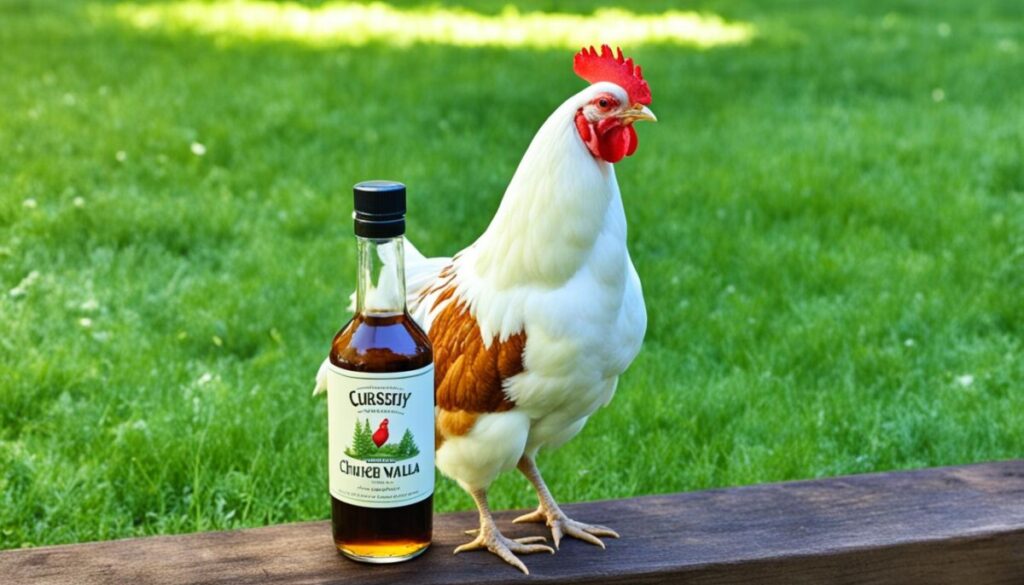
Greetings, chicken enthusiasts! Today, I want to shed some light on the topic of feeding chickens vanilla extract. Have you ever wondered if it is safe to include this flavorful ingredient in your flock’s diet? Well, let’s dig in and find out!
When it comes to using vanilla extract with chickens, it’s essential to prioritize their safety. Vanilla extract can be a useful tool in repelling biting flies, such as midges and gnats, which can pose a threat to chicken health. However, it’s crucial to use a vanilla extract that does not contain any harmful chemicals or additives.
To make a gnat-repellent spray, dilute the vanilla extract with water and apply it to the chickens’ combs, wattles, and cheeks. Take care to avoid spraying it near their eyes or nostrils. For optimal effectiveness, reapply the vanilla gnat spray every three hours. This will help keep those pesky flies at bay and ensure your feathered friends are protected.
Key Takeaways:
- Vanilla extract can be used to repel biting flies, such as midges and gnats, from chickens.
- Use a vanilla extract that is free from harmful chemicals and additives.
- Dilute the vanilla extract with water and apply it to the chickens’ combs, wattles, and cheeks.
- Avoid spraying the vanilla extract near the chickens’ eyes or nostrils.
- Reapply the vanilla gnat spray every three hours for optimal effectiveness.
Protecting Chickens from Biting Flies
Biting flies can be a nuisance to chickens and can even pose a threat to their health. It’s important to take measures to protect your chickens from these pesky insects to ensure their well-being. Here are some tips for keeping chickens safe from biting flies and preventing chicken coop infestation.
1. Keep chickens in the coop or run
To protect your chickens from biting flies, it’s best to keep them confined to the coop or run during the peak biting fly season. Limiting their exposure to outdoor areas where flies are prevalent can help reduce the chances of infestation.
2. Add a fan to the coop
Biting flies dislike wind, so adding a fan to the chicken coop can be an effective deterrent. The airflow created by the fan can make it difficult for flies to hover around the chickens, reducing the risk of bites.
3. Eliminate standing water
Biting flies are attracted to areas with standing water, as they lay their eggs in damp environments. Regularly check your chicken coop and run for any sources of standing water, such as puddles or leaky waterers, and eliminate them promptly.
4. Maintain cleanliness
A clean coop and surrounding area can help prevent infestations. Regularly remove chicken droppings, as they can attract flies. Clean and sanitize the coop regularly to minimize the presence of flies and other pests.
5. Use natural repellents
In addition to the preventive measures mentioned above, you can also use natural repellents to protect your chickens from biting flies. One option is to create a homemade fly spray using natural ingredients such as essential oils, vinegar, or garlic. Make sure to apply the repellent to the chickens’ feathers and exposed skin, avoiding contact with the eyes or nostrils.
By following these tips, you can effectively protect your chickens from biting flies and create a safe and comfortable environment for them. Remember to regularly monitor the coop for signs of infestation and take prompt action if necessary to keep your chickens happy and healthy.
The Use of Vanilla Extract as a Gnat Repellent
Vanilla extract can be a powerful tool in repelling gnats from your chickens. These pesky insects are not only bothersome but can also harm your chickens by biting and causing discomfort. Using vanilla extract as a natural gnat repellent offers a safe and effective solution to protect your flock.
When using vanilla extract as a gnat repellent, it is important to choose a non-alcohol glycerin-based vanilla extract or an imitation extract without harmful additives. Dilute the vanilla extract with water to create a spray solution that can be easily applied to your chickens.
To apply the vanilla gnat spray, focus on the chickens’ combs, wattles, and cheeks, as these areas are prime targets for gnats. Be careful to avoid spraying near the eyes or nostrils to prevent any discomfort for your chickens.
The effectiveness of the vanilla extract gnat repellent can be maximized by reapplying the spray every three hours. This regular application ensures that the scent remains strong and helps deter gnats from approaching your chickens.
Using vanilla extract as a gnat repellent offers several benefits. Firstly, it is a natural and chemical-free solution, ensuring the well-being and safety of your chickens. Additionally, vanilla extract is readily available and affordable, making it an accessible option for chicken owners.

Integrating this natural repellent into your chicken care routine can help create a more comfortable environment for your feathered friends. By repelling gnats, you can reduce the risk of bites and potential discomfort for your chickens, allowing them to thrive in a gnat-free environment.
While vanilla extract is effective in repelling gnats, it is important to remember that prevention is key. Maintaining a clean coop, removing any standing water, and implementing good sanitation practices will help reduce gnat populations and keep your chickens healthy.
In summary, by utilizing vanilla extract as a gnat repellent, you can effectively protect your chickens from these bothersome insects. Remember to use a non-alcohol glycerin-based vanilla extract, apply the spray to the chickens’ combs, wattles, and cheeks, and reapply every three hours for optimal results. With this natural solution, you can create a gnat-free environment for your flock, enhancing their overall well-being.
Safe Foods for Chickens
Chickens are omnivorous creatures and can safely consume a variety of foods, ensuring a healthy and balanced diet. It’s important to offer poultry a diverse range of nourishment to meet their nutritional needs and promote overall well-being.
Here are some safe food options for chickens:
- Fruits: Apples, bananas, and berries provide essential vitamins and antioxidants to support chickens’ health.
- Vegetables: Carrots and leafy greens like spinach and kale are rich in nutrients that contribute to good egg production and feather quality.
- Grains: Corn and wheat serve as excellent sources of energy and fiber for chickens, aiding their digestion.
- Protein Sources: Cooked meat scraps, such as chicken or fish, can supplement the chickens’ diet with additional protein. Insects, like mealworms, are also highly beneficial as they offer essential amino acids.
While providing safe food options is important, it’s equally crucial to know what chickens can’t eat. Some foods that chickens should avoid include chocolate, onions, and raw potatoes. These can be harmful to their health and may cause digestive issues or even toxicity.
Feeding chickens a well-balanced diet supports their overall health, immune function, and productivity. By incorporating a mix of these safe foods into their meals, chicken owners can help ensure their flock remains healthy, active, and happy.
Remember to always provide fresh, clean water for chickens to drink throughout the day.
| Safe Foods for Chickens | Foods to Avoid |
|---|---|
| Fruits: Apples, bananas, berries | Chocolate |
| Vegetables: Carrots, leafy greens | Onions |
| Grains: Corn, wheat | Raw potatoes |
| Protein Sources: Cooked meat, insects | – |
I hope this guide helps you make informed decisions regarding the safe foods to incorporate into your chickens’ diet. Remember to always be aware of potential hazards and prioritize your flock’s well-being.
Next, we’ll delve into the benefits of mealworms for chickens and how they can be utilized as a high-protein treat to enhance their diet.
The Benefits of Mealworms for Chickens
Mealworms are a nutritious and high-protein treat for chickens. They provide various benefits to their health and well-being, making them an excellent addition to their diet.
High Protein Content
One of the primary benefits of mealworms for chickens is their high protein content. Chickens require protein for various biological processes, including muscle development, egg production, and feather growth. Mealworms are an excellent source of protein, with approximately 50% of their dry weight consisting of protein. Incorporating mealworms into their diet can help chickens maintain optimal health and support their growth and development.
Supports Feather Growth During Molt
During molt, chickens shed old feathers and grow new ones. This process requires a significant amount of energy and nutrients, including protein. Mealworms are an excellent resource during molt as they provide the necessary protein to support feather growth. Feeding chickens mealworms during this period can help expedite the molt process and ensure the healthy development of new feathers.
Easy to Raise at Home
Raising mealworms for chickens can be a cost-effective and sustainable way to provide them with a nutritious treat. Mealworms can be easily cultivated at home using a simple setup of containers and a substrate such as oats or bran. By raising mealworms yourself, you can ensure their quality and eliminate any concerns about additives or contaminants that may be present in store-bought options.
Versatile and Enriching
Mealworms can be used in various ways to enhance the lives of chickens. They make an excellent training tool for teaching new behaviors or tricks, as chickens are highly motivated by their taste and smell. Additionally, mealworms can be scattered in the coop or run as an enrichment activity, encouraging chickens to forage and engage in natural behaviors.
| Benefits of Mealworms for Chickens |
|---|
| High protein content |
| Supports feather growth during molt |
| Easy to raise at home |
| Versatile and enriching |
It is important to source high-quality mealworms that are free from additives or contaminants. Always ensure that the mealworms provided to chickens are fresh, properly stored, and do not show signs of spoilage. By incorporating mealworms into their diet, you can provide your chickens with a nutritious and enjoyable treat that promotes their overall health and well-being.

What Foods Are Poisonous to Chickens
While chickens can eat a wide range of foods, it’s important to be aware of the ones that are toxic or harmful to them. Feeding chickens these foods can have serious consequences on their health and well-being. When it comes to the diet of your chickens, knowledge is key to keeping them safe and thriving.
Poisonous Foods for Chickens
Here are some foods that are known to be poisonous to chickens:
- Avocado: Avocado contains a toxin called persin, which can be fatal to chickens. It is crucial to keep avocados away from your flock.
- Chocolate: Chocolate contains theobromine, which can be toxic to chickens if ingested in large quantities. Avoid feeding chocolate to your chickens.
- Caffeine: Similar to chocolate, caffeine can also be harmful to chickens. Keep coffee, tea, and other caffeine-containing products away from your flock.
- Raw Chicken: Feeding raw chicken to chickens can increase the risk of bacterial contamination and the spread of diseases. It’s important to cook all chicken before feeding it to your flock.
- Rhubarb and Nightshade: Certain plants like rhubarb and nightshade contain toxins that can harm chickens. Avoid feeding these plants to your flock.
It’s essential to be cautious and avoid feeding chickens foods that are high in salt or fat, as these can be detrimental to their health. Additionally, always make sure that any treats or scraps you feed your chickens are safe and free from toxins.
“Feeding chickens these toxic foods can have serious consequences on their health and well-being.”
| Food | Poisonous Component |
|---|---|
| Avocado | Persin |
| Chocolate | Theobromine |
| Caffeine | Caffeine |
| Raw Chicken | Bacterial contamination |
| Rhubarb and Nightshade | Toxic compounds |
By being knowledgeable about the foods that are toxic to chickens, you can prevent any potential harm to your flock. Always prioritize their safety and provide them with a well-balanced diet to ensure their optimal health and happiness.
The Ultimate List: What Can Chickens Eat?
Chickens can safely eat a wide variety of foods, making it easy to provide them with a balanced diet. Incorporating a range of fruits, vegetables, grains, and protein sources into their meals is essential for their overall health and well-being.
Safe Fruits for Chickens:
- Apples
- Bananas
- Berries
- Watermelon
Nutritious Vegetables for Chickens:
- Carrots
- Cabbage
- Cucumbers
- Leafy greens
Wholesome Grains for Chickens:
- Corn
- Oats
- Wheat
Protein Sources for Chickens:
- Eggs
- Fish
- Insects
- Meat (cooked)
It’s important to note that while chickens can eat a wide variety of foods, it’s crucial to provide them with a balanced diet. This means offering a combination of these safe foods and ensuring that their nutritional needs are being met. Additionally, it’s always a good idea to consult with a poultry expert or veterinarian to ensure you’re providing the best diet for your chickens.
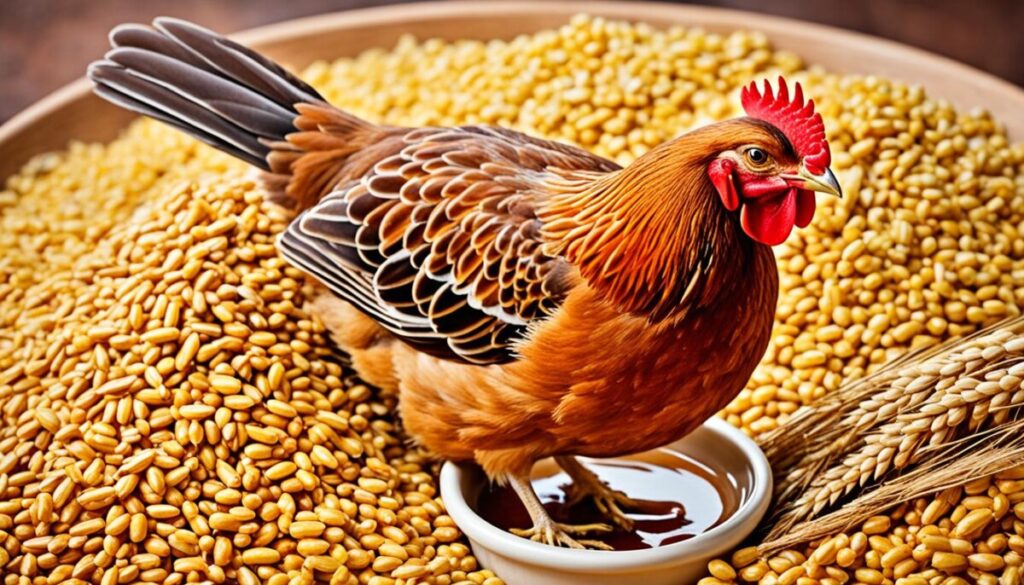
As a chicken owner, it’s a rewarding experience to know what foods are safe for your flock. With this ultimate list, you can confidently offer a varied and nutritious diet to keep your chickens happy and healthy.
What NOT to Feed Chickens
When it comes to feeding our chickens, certain foods can be toxic or harmful to their health. It’s essential to be mindful of what not to feed them to ensure their well-being. Here is a list of foods that chickens should avoid:
- Alcohol
- Avocado
- Butter
- Chocolate
- Citrus fruits in large quantities
- Coffee or tea
- Dry beans
- Eggplant or pepper leaves
- Fried foods
- Onions
- Raw chicken
- Rhubarb
- Uncooked potatoes or rice
- Wild mushrooms
- Xylitol
These foods can have negative effects on chickens’ health and might even be poisonous to them. For example, chocolate contains a substance called theobromine, which is toxic to chickens. Onions and garlic can cause anemia and digestive issues in chickens. Rhubarb leaves contain oxalic acid, which can be harmful to their kidneys. It’s important to avoid feeding these foods to chickens to keep them safe and healthy.
Citrus Fruits in Large Quantities
While small amounts of citrus fruits like oranges and lemons are generally safe for chickens, feeding them in large quantities can cause digestive issues. The high acidity of these fruits can disrupt the pH balance in their digestive tract and lead to diarrhea or upset stomachs. It’s best to feed citrus fruits in moderation and as part of a varied diet.
The Dangers of Xylitol
Xylitol is a sugar substitute commonly found in sugar-free products like gum, candy, and baked goods. It is highly toxic to chickens and can cause a rapid drop in blood sugar levels, leading to weakness, seizures, and even death. It’s crucial to ensure that chickens do not have access to any products containing xylitol.
“Feeding chickens the wrong foods can have serious consequences for their health. It’s important to be aware of these potentially toxic foods and avoid them to keep our feathered friends safe.” – Dr. Linda Peterson, Poultry Expert
As responsible chicken owners, it’s our duty to provide them with a balanced diet that promotes their health and well-being. By avoiding these toxic foods and offering a nutritious diet, we can ensure that our chickens thrive.
| Foods Chickens Should Avoid | Potential Health Risks |
|---|---|
| Alcohol | Can cause organ failure and neurological damage. |
| Avocado | Contains persin, which is toxic to chickens and can cause heart and respiratory issues. |
| Butter | High in unhealthy fats and can lead to obesity and related health problems. |
| Chocolate | Contains theobromine, which is toxic to chickens and can cause heart and neurological problems. |
| Citrus fruits in large quantities | High acidity can disrupt the pH balance in the digestive tract and lead to digestive issues. |
| Coffee or tea | Contains caffeine, which can be toxic to chickens and may cause heart and digestive problems. |
| Dry beans | Raw or undercooked beans can contain toxins that can be harmful to chickens. |
| Eggplant or pepper leaves | Contain solanine, which is toxic to chickens and can cause digestive and neurological problems. |
| Fried foods | High in unhealthy fats and can lead to obesity and related health problems. |
| Onions | Contains compounds that can cause anemia, digestive issues, and potential organ damage. |
| Raw chicken | Can carry harmful bacteria such as Salmonella, which can cause food poisoning in chickens. |
| Rhubarb | Rhubarb leaves contain oxalic acid, which can be toxic to chickens and harm their kidneys. |
| Uncooked potatoes or rice | Contain toxins like solanine and lectin, which can be harmful and interfere with digestion. |
| Wild mushrooms | Can be toxic to chickens and cause digestive issues, organ failure, or even death. |
| Xylitol | Artificial sweetener that is highly toxic to chickens and can cause a rapid drop in blood sugar levels. |
Commonly Asked Questions About Chicken Diet
As a poultry enthusiast, I often receive questions about what chickens can and cannot eat. It’s important to ensure that we provide our feathered friends with a diet that meets their nutritional needs while keeping them safe and healthy. Here are answers to some of the most frequently asked questions about chicken diet:
Are apple seeds safe for chickens?
No, apple seeds are not safe for chickens to consume. Apple seeds contain trace amounts of cyanide, which can be harmful to chickens if ingested in large quantities. To be on the safe side, it’s best to avoid feeding chickens apple seeds and core.
Can chickens eat citrus fruits?
There is conflicting information about whether chickens can eat citrus fruits. While some experts suggest that small amounts of citrus fruits could be beneficial, others advise limiting their consumption. Citrus fruits contain citric acid, which can disrupt the pH balance in a chicken’s digestive system. It’s recommended to offer citrus fruits as an occasional treat and observe how your chickens react.
Is it safe to feed chickens raw eggs?
Feeding chickens raw eggs can encourage egg eating behavior, which can lead to a flock-wide problem. To prevent this, it’s best to feed chickens cooked eggs. Cooking eggs denatures the proteins that may trigger egg eating, ensuring that the chickens consume the eggs in a safe and beneficial manner.
It’s essential to research and consult reliable sources when it comes to determining what chickens can and cannot eat. Every chicken is unique, and it’s crucial to observe your flock’s health and behavior when introducing new foods into their diet. By providing a balanced diet and offering treats in moderation, you can keep your chickens happy, healthy, and well-fed.
Conclusion
In conclusion, it is crucial to consider the dietary needs of chickens and avoid feeding them toxic or harmful foods. While chickens have a wide range of safe food options, it is important to maintain a balanced diet that includes various fruits, vegetables, grains, and protein sources.
Additionally, vanilla extract can be used as a gnat repellent for chickens, but it should be used correctly and applied in a diluted solution to avoid any potential harm. Care should be taken to ensure that the vanilla spray does not come into contact with the chickens’ eyes or nostrils.
Overall, by providing chickens with a healthy diet and taking necessary precautions for their well-being, we can ensure their optimal health and happiness. Understanding what chickens can safely eat and avoiding foods that can be harmful is essential for their overall quality of life.
FAQ
Can chickens eat vanilla extract?
What are some safe foods for chickens?
How can I protect chickens from biting flies?
Can chickens eat mealworms?
What foods should I avoid feeding chickens?
What can chickens eat?
What are some common questions about chicken diet?
Source Links
- https://www.heritageacresmarket.com/what-chickens-can-and-cant-eat/
- https://www.pinterest.com/pin/use-vanilla-to-protect-your-chickens-from-gnats-biting-flies-and-biting-midges-wholefed-homestead–379146862361134925/
- https://wholefedhomestead.com/use-vanilla-to-protect-your-chickens-from-gnats-biting-flies-and-biting-midges/