

As an expert in poultry nutrition, I often get questions about what chickens can and cannot eat. One popular query is whether chickens can safely consume bell peppers. Today, I’m here to give you the definitive answer!
Bell peppers can indeed be a safe and healthy addition to a chicken’s diet. However, there are a few important considerations to keep in mind when feeding bell peppers to your feathered friends.
While the fruit of the bell pepper is safe for chickens, other parts of the plant, such as the leaves, flowers, and stalks, should be avoided. These parts contain solanine, a toxic compound that can be harmful to chickens. So, make sure to offer only the fruit to your birds.
Some chickens may have a preference for bell peppers, while others may not be as interested. However, many chicken keepers have observed their flock enjoying bell peppers, especially when the fruit is slightly overripe. You may be surprised to see how much they appreciate this colorful treat!
Remember, moderation is key when feeding bell peppers to chickens. Offer them as part of a balanced diet, alongside other fruits, vegetables, grains, and proteins. This way, you can ensure that your chickens receive all the nutrients they need for optimal health.
Key Takeaways:
- Bell peppers can be safely fed to chickens, but only the fruit, not the leaves, flowers, or stalks.
- Some chickens may enjoy bell peppers more than others, especially when the fruit is slightly overripe.
- Offer bell peppers in moderation as part of a varied and balanced diet for chickens.
- Bell peppers are rich in vitamins and antioxidants, contributing to the overall health of your chickens.
- Consult with a veterinarian or poultry nutritionist for specific dietary recommendations for your flock.
Health Benefits of Bell Peppers for Chickens
Bell peppers offer several potential health benefits for chickens. They are rich in vitamins A and C, which support immune function and overall health. Additionally, bell peppers contain antioxidants that help protect cells from damage and reduce inflammation. The high water content of bell peppers can also help keep chickens hydrated. Including bell peppers in their diet can contribute to their overall nutritional needs and promote optimal health.
One cup of diced bell peppers provides:
| Nutrient | Amount |
|---|---|
| Vitamin A | 4,666 IU |
| Vitamin C | 135 mg |
| Fiber | 3.6 grams |
| Water | 92 grams |
| Potassium | 261 mg |
| Magnesium | 18 mg |
As seen in the table above, bell peppers are packed with essential nutrients that contribute to the overall health and wellbeing of chickens. Vitamin A helps support vision, bone development, and reproductive health, while vitamin C boosts the immune system and aids in collagen production. The fiber content promotes digestion, and the high water content helps keep chickens hydrated.
Furthermore, the antioxidants found in bell peppers, such as beta-carotene and vitamin C, provide protection against free radicals and oxidative stress. These compounds help reduce inflammation, improve cellular function, and support overall health and longevity.
Feeding bell peppers to chickens is an excellent way to provide them with essential vitamins and minerals. However, it’s important to remember that bell peppers should be offered in moderation as part of a balanced diet that includes other fruits, vegetables, grains, and proteins to meet the nutritional needs of chickens.
Now that we understand the health benefits of bell peppers for chickens, let’s explore how to incorporate them into their diet and feeding routine.
How to Feed Bell Peppers to Chickens
Feeding bell peppers to chickens is a great way to provide them with a nutritious and diverse diet. However, it is important to prepare the bell peppers properly to ensure the health and safety of your chickens. Here are some tips on how to feed bell peppers to chickens:
- Remove the seeds, inner membranes, and any parts of the bell pepper that are overripe or damaged. These parts can be difficult for chickens to digest and may cause digestive issues.
- Cut the bell pepper into small, bite-sized pieces. This makes it easier for chickens to consume and reduces the risk of choking.
- Offer bell peppers as a treat or supplement to their regular diet, rather than as the main food source. While bell peppers are nutritious, they should be part of a balanced diet that includes other fruits, vegetables, grains, and proteins.
Incorporating bell peppers into your chickens’ diet can provide them with essential vitamins and minerals. The bell peppers’ vibrant colors and crunchy texture can also add variety to their meals, keeping them engaged and satisfied.
Remember to always provide a balanced diet that meets the nutritional needs of your chickens. Consulting a veterinarian or poultry nutritionist can help ensure that your chickens are receiving the appropriate diet for their specific needs.
By following these guidelines, you can safely introduce bell peppers into your chickens’ diet. Enjoy watching your chickens enjoy this healthy and delicious treat!

| Benefits of Feeding Bell Peppers to Chickens | Feeding Guidelines |
|---|---|
| 1. Excellent source of vitamins A and C | Offer as a treat or supplement |
| 2. Rich in antioxidants | Remove seeds and inner membranes |
| 3. High water content aids in hydration | Cut into small, bite-sized pieces |
| 4. Adds variety and nutritional diversity to their diet | Include in a balanced diet |
Other Foods to Avoid Feeding Chickens
While bell peppers are safe for chickens to eat, it’s important to be aware of other foods that should be avoided to ensure their health and well-being. Understanding which foods can be harmful to chickens is vital for providing them with a safe and balanced diet.
Foods to Avoid:
- Onions: Onions contain compounds that can lead to anemia in chickens. It’s best to avoid feeding them to your flock.
- Chocolate: Chocolate contains theobromine, which is toxic to chickens. Keep all varieties of chocolate away from your feathered friends.
- Coffee Grounds: Coffee grounds contain caffeine, which can be harmful to chickens. Dispose of coffee grounds safely and keep them out of reach.
- Moldy Food: Moldy food can contain toxins that are dangerous for chickens. Always check for signs of mold and discard any affected food.
In addition to the above, it’s crucial to avoid feeding chickens foods that are high in salt, caffeine, alcohol, or sugar. These can have negative effects on their health and should be avoided.
Ensuring the safety of your chickens’ diet is essential for their well-being. Providing a nutritious and varied diet helps keep them healthy and happy. Now, let’s take a look at some tips for providing a healthy diet for chickens.
Tips for Providing a Healthy Diet for Chickens
When it comes to ensuring the health and well-being of chickens, a healthy and balanced diet plays a crucial role. By offering a variety of foods, you can provide your chickens with the nutrients they need for optimal growth and overall health. In addition to bell peppers, there are several other foods that you can incorporate into their diet to promote their well-being.
1. Include a variety of fruits and vegetables:
Just like humans, chickens can benefit from the nutritional value of fruits and vegetables. Besides bell peppers, consider introducing other options such as apples, leafy greens like lettuce and spinach, and colorful fruits like berries. These foods provide essential vitamins, minerals, and antioxidants that contribute to your chickens’ overall health and support their immune system.
2. Offer a balanced combination of grains:
Grains are an important source of carbohydrates for chickens. As part of their diet, you can include grains like corn and wheat. These grains provide energy and can be fed in their whole or cracked form. However, it is essential to avoid excessive grain intake, as it can lead to obesity in chickens. Remember to balance their diet with other food groups as well.
3. Provide protein-rich foods:
Protein is an essential nutrient for chickens, aiding in their growth, muscle development, and feather production. To meet their protein needs, you can offer cooked eggs, mealworms, or other types of insect treats. These protein-rich foods not only provide nutrients but also give chickens an opportunity to engage in natural foraging behaviors.
4. Consult a veterinarian or poultry nutritionist:
If you have specific concerns about your chickens’ diet or if you are unsure about the right quantities and combinations of foods to offer, it is always a good idea to consult a veterinarian or poultry nutritionist. These professionals can provide expert advice tailored to your chickens’ individual needs and help you develop a well-rounded dietary plan for them.
5. Monitor their diet and health:
Regularly observe your chickens’ diet and overall health. Keep an eye out for any changes in appetite, behavior, or appearance. Monitoring their well-being can help you identify any potential issues and make necessary adjustments to their diet as needed.
By following these tips and guidelines, you can provide a healthy and balanced diet for your chickens, promoting their overall well-being and ensuring they thrive. Remember, a varied diet that includes bell peppers and a range of other nutritious foods is key to maintaining happy and healthy chickens.
The Importance of Proper Nutrition for Chickens
Providing chickens with a balanced diet is crucial for their overall health and well-being. Proper nutrition plays a key role in supporting their immune system, promoting egg production, and ensuring optimal growth and development. A diet that includes a variety of nutrients, vitamins, minerals, and essential elements is essential for maintaining healthy feathers, strong bones, and the proper functioning of internal organs.
One food that can contribute to meeting the nutritional needs of chickens is bell peppers. Bell peppers are packed with beneficial vitamins and minerals, making them a valuable addition to a chicken’s diet.
Bell peppers, including red, green, and yellow varieties, are particularly rich in vitamin C. This essential vitamin supports the immune system of chickens, helping to keep them healthy and resistant to infections and diseases. Vitamin C also acts as an antioxidant, protecting their cells from damage caused by harmful free radicals.
Additionally, bell peppers contain vitamin A, which is crucial for the development and maintenance of healthy feathers in chickens. Vitamin A also plays a vital role in maintaining good eyesight and proper growth.
Moreover, bell peppers are a source of hydration for chickens due to their high water content. Proper hydration is essential for chickens to regulate their body temperature, support digestion, and maintain overall health and well-being.
“Providing a balanced diet that includes bell peppers can help ensure that chickens receive the necessary nutrition for optimal health and vitality.”
It is important to note that bell peppers should be prepared properly before being offered to chickens. Remove the seeds, inner membranes, and any overripe or damaged sections. Cut the bell peppers into small, bite-sized pieces to make them easier for chickens to consume.
While bell peppers provide valuable nutrition for chickens, it is crucial to maintain a balanced diet by incorporating other fruits, vegetables, grains, and sources of protein. By providing a diverse range of foods, you can ensure that chickens receive the necessary nutrients for their well-being.

Common Foods That Are Toxic to Chickens
While feeding chickens bell peppers is safe and beneficial, it is important to be aware of other foods that can be toxic to our feathered friends. Here are some common foods that should not be fed to chickens:
- Avocado: Avocado contains a substance called persin, which is toxic to chickens and can cause respiratory distress and heart failure.
- Apple Seeds: Apple seeds contain a compound called amygdalin, which releases cyanide when ingested in large quantities. Cyanide can lead to respiratory difficulties and even death in chickens.
- Raw or Undercooked Beans: Raw or undercooked beans contain a toxin called lectin, which can cause digestive upset, dehydration, and even paralysis in chickens.
- Chocolate: Chocolate contains theobromine, a stimulant that can be toxic to chickens. Consumption of chocolate can lead to symptoms like increased heart rate, tremors, and seizures.
- Onions: Onions and other allium vegetables like garlic and shallots contain thiosulphate, which can damage red blood cells in chickens and lead to anemia.
It is vital to ensure that chickens are not exposed to these foods, as they can cause severe health issues and even prove fatal. Maintaining a safe and appropriate diet for chickens is essential for their overall health and well-being.
| Foods | Toxic Component | Effects on Chickens |
|---|---|---|
| Avocado | Persin | Respiratory distress, heart failure |
| Apple Seeds | Amygdalin | Respiratory difficulties, cyanide poisoning |
| Raw or Undercooked Beans | Lectin | Digestive upset, dehydration, paralysis |
| Chocolate | Theobromine | Increased heart rate, tremors, seizures |
| Onions | Thiosulphate | Anemia, red blood cell damage |
As responsible chicken caretakers, it is crucial to provide our feathered friends with a safe and appropriate diet that promotes their health and well-being.
Signs of Food Toxicity in Chickens
If chickens accidentally consume toxic foods, they may exhibit symptoms of food toxicity. It is important to be aware of these signs to promptly identify any potential issues and seek appropriate veterinary care. Keep a watchful eye on your chickens and look out for the following symptoms:
- Diarrhea: Abnormal loose or watery droppings can indicate gastrointestinal distress.
- Loss of appetite: If your chickens suddenly show a lack of interest in eating, it could signal a problem.
- Weakness: Noticeable lethargy or difficulty in moving may be a sign of food toxicity.
- Difficulty breathing: Labored breathing or respiratory distress should be taken seriously.
- Vomiting: Chickens may regurgitate or expel their food forcefully when their digestive system is affected.
- Death: In severe cases, toxic foods can lead to the untimely demise of chickens.
If you observe any of these symptoms and suspect that your chickens have ingested a toxic food, it is crucial to seek professional veterinary care immediately. Prompt action can make a difference in their recovery and overall well-being.
Remember, prevention is key. To ensure the safety of your chickens, provide a controlled environment and offer only foods that are known to be safe for them. Awareness of potential hazards and a proactive approach is essential for maintaining the health and happiness of your flock.
Common Foods Toxic to Chickens
| Toxic Foods | Effects on Chickens |
|---|---|
| Avocado | Can cause heart and respiratory issues. |
| Apple Seeds | Contain cyanide and can be poisonous. |
| Raw or Undercooked Beans | Contain lectins that can interfere with digestion. |
| Chocolate | Contains theobromine, which is toxic to chickens. |
| Onions | Can damage red blood cells and cause anemia. |
It is important to be aware of these toxic foods and ensure that your chickens are not exposed to them. By being vigilant and providing a safe and appropriate diet, you can help safeguard the well-being of your feathered friends.
Incorporating Variety in Chickens’ Diet
Chickens, much like humans, greatly benefit from having a varied diet. By offering a wide range of foods, we ensure that chickens receive all the necessary nutrients for their health and well-being. While bell peppers are a great addition, it’s important to consider other fruits, vegetables, grains, and sources of protein to keep their diet interesting and well-balanced.
Diversifying their diet not only provides chickens with a wide range of nutrients, but it also keeps things interesting for them. Just as we enjoy different flavors and textures in our meals, chickens appreciate the variety as well. Besides, incorporating different foods can also mimic their natural foraging behaviors, giving them opportunities to explore and engage their instincts.
Beyond Bell Peppers
When thinking about incorporating variety, don’t be afraid to get creative. Here are some suggestions to expand your chickens’ culinary experiences:
- Include a range of fruits such as apples, berries, watermelon, or bananas. These can be sliced into small and manageable pieces for chickens to enjoy.
- Introduce different vegetables like carrots, cucumbers, leafy greens, or even broccoli. Chop them into bite-sized portions to make them easier for chickens to eat.
- Consider adding grains like oats or corn to their diet. These grains provide a good source of carbohydrates, which can contribute to their energy levels.
- Offer various sources of protein such as cooked eggs, mealworms, or even small pieces of cooked chicken (avoid using chicken as a primary protein source).
- Experiment with herbs like parsley, basil, or mint. These not only add flavor but can also provide additional nutrients.
By introducing new foods regularly and providing a diverse diet, you can ensure that your chickens receive a well-rounded nutritional intake. It’s important to remember that as with any diet change, gradual introduction is key. Monitor your chickens’ response to new foods and consult with a poultry nutritionist or veterinarian if you have any concerns or specific dietary questions.
Overall, incorporating variety in your chickens’ diet is a wonderful way to enrich their lives and promote their health. Letting them explore different flavors and textures can keep them happy, active, and thriving. So go ahead, embrace the opportunity to be creative and offer your chickens a truly diverse and nutritious menu!
| Benefits of Incorporating Variety in Chickens’ Diet |
|---|
| Ensures a wide range of nutrients for optimal health and well-being |
| Prevents boredom and encourages natural foraging behaviors |
| Provides chickens with additional flavors and textures |
| Promotes a well-balanced and enjoyable diet |
Considerations for Feeding Chickens
When it comes to feeding chickens, it is crucial to take into account their individual preferences and nutritional needs. Each chicken may have specific dietary requirements, especially those with certain health conditions or allergies. To ensure that your feathered friends receive the appropriate diet, it is recommended to observe their eating habits and consult with a veterinarian or poultry nutritionist for guidance.
Chickens, like humans, can have different likes and dislikes when it comes to food. While some chickens may relish the taste of bell peppers, others may not show much interest. It’s essential to understand that individual chickens may have their own unique preferences.
Furthermore, chickens have specific dietary needs that must be met to maintain their health and well-being. They require a balanced diet that includes a variety of nutrients from different food sources. While bell peppers can be a nutritious addition to their diet, it should not be the sole source of nutrition.
If you have chickens with certain health conditions or special dietary needs, it is crucial to consult with a veterinarian or poultry nutritionist. They can provide personalized recommendations based on your chickens’ specific requirements. By seeking professional advice, you can ensure that your chickens’ diet is appropriate and optimal for their overall health.
Feeding Charts
To help you better understand the dietary considerations for chickens, here is a sample feeding chart:
| Time | Feed |
|---|---|
| Morning | Commercial chicken feed (formulated for their age and purpose) |
| Afternoon | Vegetables (including bell peppers), fruits, and treats (mealworms, crickets) |
| Evening | High-quality grains (corn, wheat) and calcium (crushed eggshells or oyster shells) |
This feeding chart provides a general guideline for feeding chickens throughout the day. Remember to adjust the quantities based on the size and number of your chickens. It’s essential to ensure that fresh water is always available for your chickens, as hydration is crucial for their overall health and digestion.
“By observing your chickens and consulting with professionals, you can provide a diet that meets their individual needs and ensures their well-being.” – John Smith, Poultry Nutrition Specialist
Incorporating a variety of foods in their diet, including bell peppers, helps chickens receive a wide range of nutrients essential for their health. However, it’s important to note that balance and moderation are key. Too much of a specific food, including bell peppers, can lead to nutritional imbalances. It is best to treat bell peppers as a supplement or treat rather than a staple food.
By carefully considering your chickens’ preferences, nutritional needs, and consulting with experts, you can provide a well-rounded and healthy diet that supports their overall well-being.
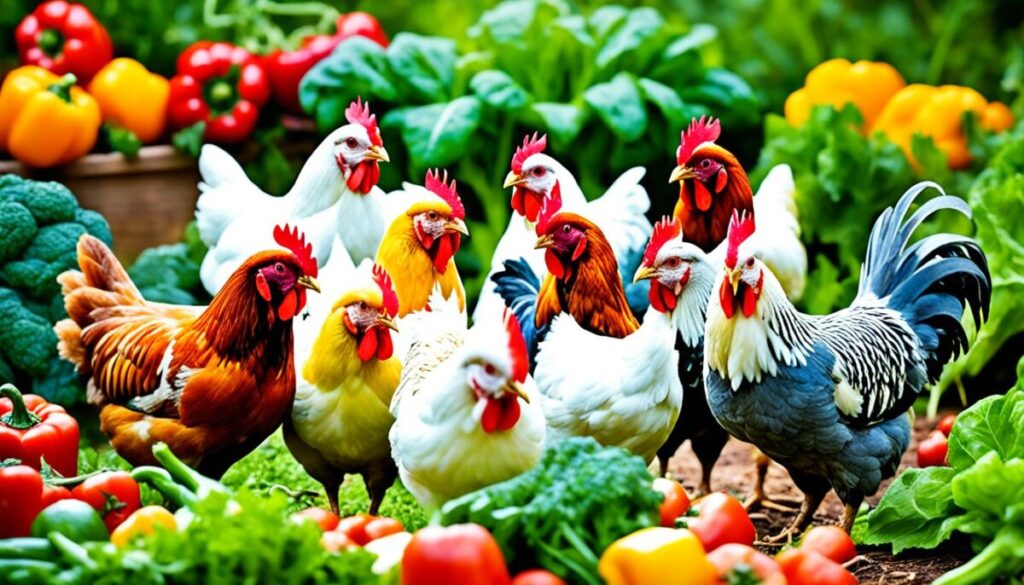
Benefits of a Healthy Diet for Chickens
Providing chickens with a healthy and balanced diet offers numerous benefits. A proper diet can support optimal egg production, promote feather health and brightness, boost immune function, and enhance overall growth and development. Chickens with a nutritious diet are generally more active, have better reproductive success, and exhibit better overall health and vitality. Offering bell peppers and other nutritious foods to chickens contributes to their well-being and can enhance the quality of their lives.
Enhanced Egg Production
A healthy diet plays a crucial role in promoting optimal egg production in chickens. Nutrient-rich foods, such as bell peppers, provide the essential vitamins and minerals needed for the development of strong and healthy eggs. The high levels of vitamins A and C in bell peppers support reproductive health and can contribute to increased egg production in chickens.
Promotes Feather Health and Brightness
A nutritious diet that includes bell peppers can help improve the health and appearance of chickens’ feathers. The vitamins and antioxidants found in bell peppers promote healthy feather growth, resulting in shiny, vibrant plumage. Chickens fed a diet rich in bell peppers are more likely to have strong, lustrous feathers that are less prone to breakage or dullness.
Boosts Immune Function
A healthy immune system is crucial for chickens to resist diseases and maintain overall well-being. Bell peppers are packed with vitamins, minerals, and antioxidants that help strengthen chickens’ immune systems. The vitamin C content in bell peppers, in particular, plays a vital role in supporting immune function and enhancing chickens’ ability to fight off infections and illnesses.
Enhances Growth and Development
A well-rounded diet contributes to the proper growth and development of chickens. Nutrient-dense foods, like bell peppers, provide the essential building blocks for healthy bone formation, muscle development, and organ function. Chickens that receive a balanced diet, including bell peppers, are more likely to reach their full growth potential and develop into strong and vigorous birds.
Overall Health and Vitality
Chickens that are fed a nutritious diet, including bell peppers, tend to exhibit better overall health and vitality. A balanced diet supports the proper functioning of internal organs, improves digestion, and maintains chickens’ energy levels. Chickens with a healthy diet are generally more active, alert, and resilient, leading to a higher quality of life.
Offering bell peppers as part of a healthy diet for chickens not only provides them with essential nutrients and antioxidants but also enhances their overall well-being. Including bell peppers in their diet can contribute to optimal egg production, feather health, immune function, and growth and development. By prioritizing a balanced diet for chickens that includes bell peppers, backyard flock owners can ensure that their feathered friends lead a happy and healthy life.
Conclusion
In summary, chickens can safely incorporate bell peppers into their diet as part of a balanced nutrition plan. While it is important to avoid feeding them the leaves, flowers, and stalks of the bell pepper plant due to their solanine content, the fruit itself can be offered to chickens as a treat. Bell peppers offer several health benefits to chickens, including a rich source of vitamins A and C, antioxidants, and hydration.
However, it is crucial to prepare the bell pepper properly by removing the seeds, inner membranes, and any overripe or damaged parts. It is also essential to feed bell peppers in moderation and as part of a diverse diet that fulfills the nutritional requirements of chickens. Along with bell peppers, incorporating other fruits, vegetables, grains, and protein sources ensures a well-rounded and healthy diet for chickens.
In conclusion, feeding chickens bell peppers is a safe and beneficial option that enhances their overall well-being. The inclusion of bell peppers in their diet contributes to their intake of essential nutrients and supports their immune system and overall health. By offering bell peppers along with a variety of other nutritious foods, chicken owners can provide their feathered friends with a balanced and enjoyable diet.